
Synopsis
A captivating insight into the private estate of Leni Riefenstahl, who became world-famous with her Nazi propaganda film TRIUMPH OF THE WILL but kept denying any closer ties to the regime.
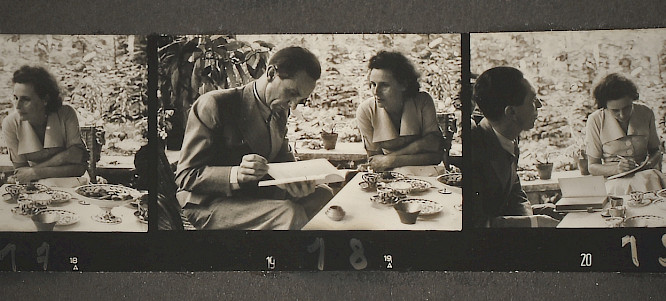
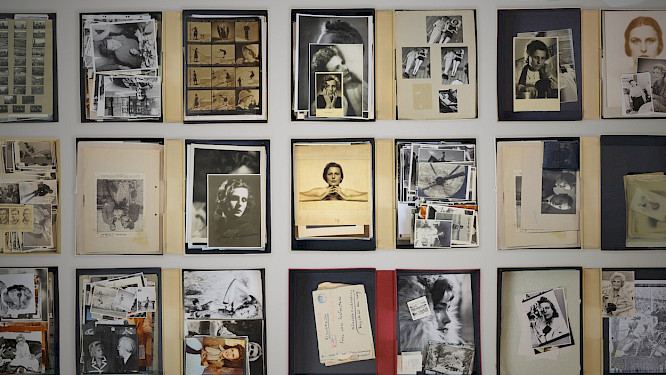
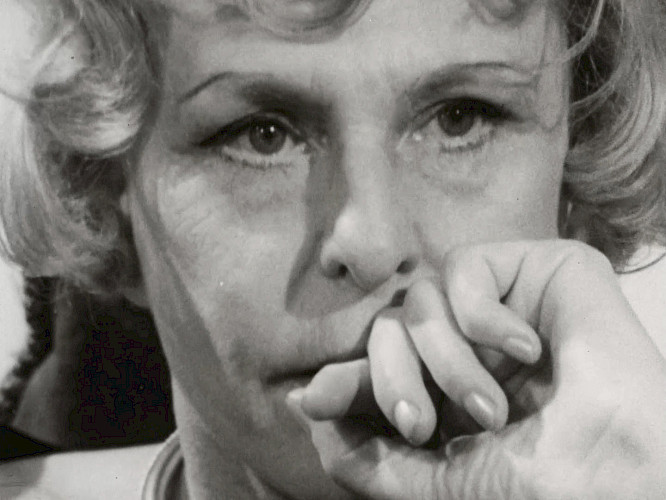
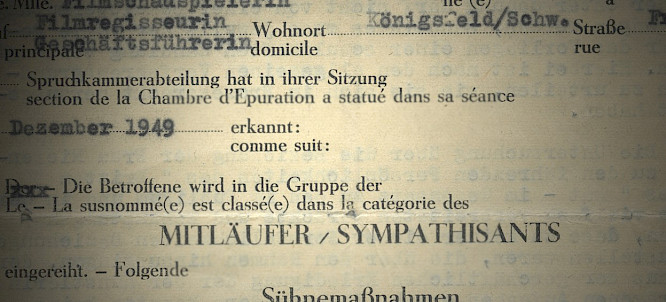
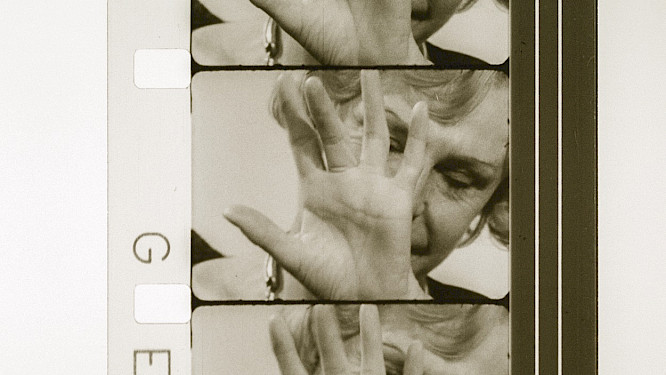
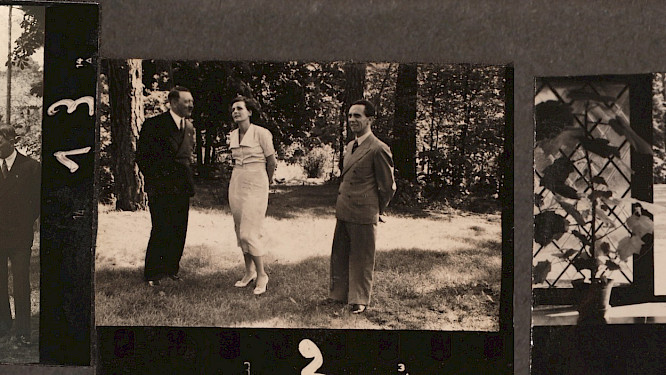
Leni Riefenstahl is considered one of the most controversial women of the 20th century as an artist and a Nazi propagandist. Her films TRIUMPH OF THE WILL and OLYMPIA stand for perfectly staged body worship and the celebration of the superior and victorious. At the same time, these images project contempt for the imperfect and weak. Riefenstahl’s aesthetics are more present than ever today - but is that also true for their implied message? The film examines this question using documents from Riefenstahl's estate, including private films, photos, recordings and letters. It uncovers fragments of her biography and places them in an extended historical context. How could Riefenstahl become the Reich's preeminent filmmaker and keep denying any closer ties to Hitler and Goebbels? During her long life after the fall of Nazism, she remained unapologetic, managing to control and shape her legacy. In personal documents, she mourns her "murdered ideals". Riefenstahl represents many postwar Germans who, in letters and recorded telephone calls from her estate, dream of an organizing hand that will finally clean up the "shit-hole state". Then, her work would also experience a renaissance, in a generation or two this time could come - what if they are right?