EUROPE

by Philip Scheffner
  • 2022 pong berlin | GRANDFILM | Square Eyes
  • 2022 pong berlin | GRANDFILM | Square Eyes
  • 2022 pong berlin | GRANDFILM | Square Eyes
  • 2022 pong berlin | GRANDFILM | Square Eyes
  • 2022 pong berlin | GRANDFILM | Square Eyes
  • 2022 pong berlin | GRANDFILM | Square Eyes

    Synopsis

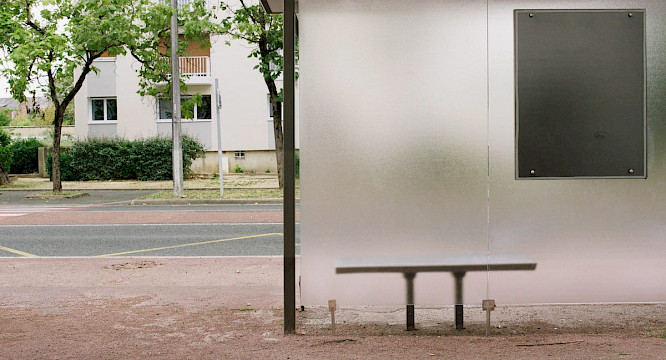
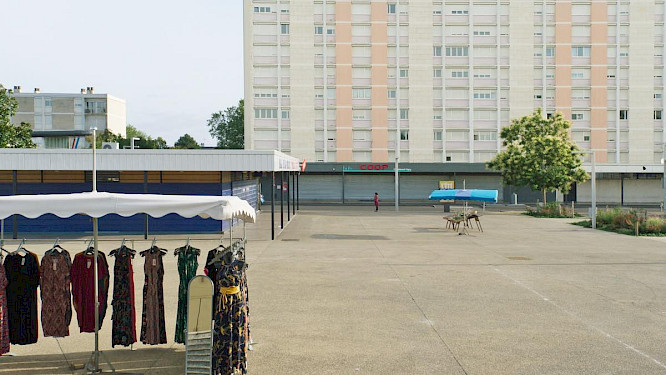
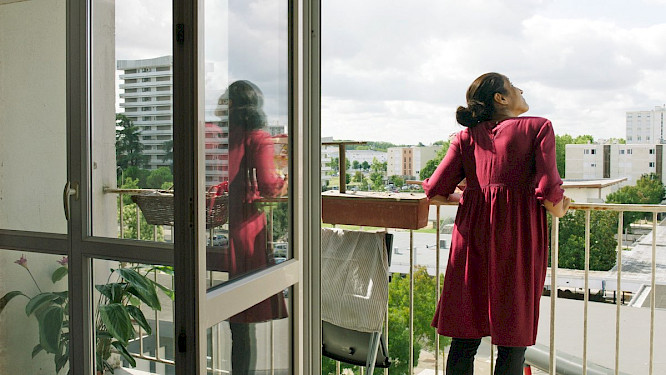
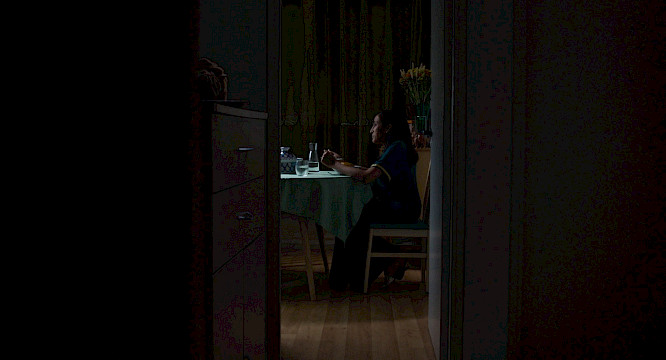
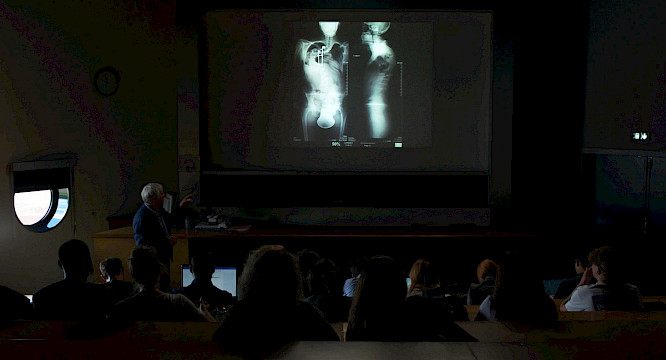
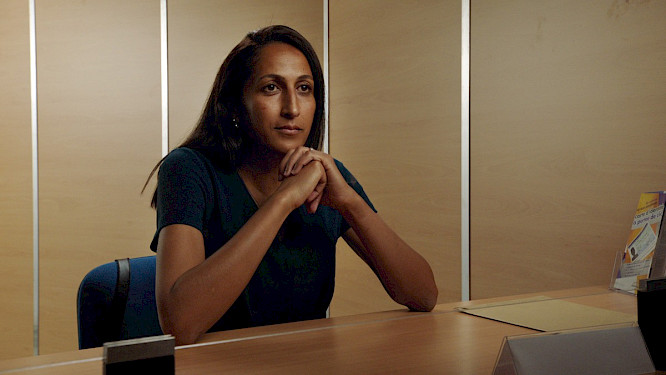
    A bus stop, a town square, a few blocks of houses in the suburb of a small French town, in Chatellerault. Zohra Hamadi, an Algerian citizen, can stand upright thanks to several metal rods, and now seems free of her debilitating scoliosis – the very reason for her immigration to France. By a twist of fate, this same recovery leads to her residence permit being revoked by the French State: she must consequently disappear, become invisible and inaudible. Choosing to make what he describes as State-coerced fiction, Philip Scheffner (to whom an Atelier was dedicated in 2018) abandons the documentary project he had begun and invents a scenario and a form to convey the violence and absurdity of this situation: Rhim Ibrir – whose story this is, and who had already taken part in one of the filmmaker’s previous films, Havarie – plays the main role, drawing from her own traumas. Via a simple and ingenious device that consists in particular of isolating the protagonist in the frame, the German filmmaker delivers a powerful political film. [VdR, Émilie Bujès]

    with: Rhim Ibrir, Thierry Cantin, Didier Cuillierier, Khadra Bekkouche, Nouria Lakhrissi, Sadya Bekkouche, Hassane Ziani, Zoulikha Ibrir
    Festivals

    2022
    Special Mention – FriedensFilmPreis – 72 Berlinale FORUM
    Special Mention – Visions du Réel, Burning Lights Competition
    Crossing Europe Film Festival, Austria, Panorama
    Play-Doc IFF, Spain – International Competition
    doclisboa
    35 IDFA
    39 Kassel Dokfest

    Director’s Statement

    ...

    Did anything change in the collaboration with Rhim when the film became fiction?

    PHILIP SCHEFFNER: I believe that the preoccupation with fiction has above all led to a great openness. Positions and relationships could be playfully renegotiated.
    The discussion of the script, the intensive rehearsal work and ultimately the shooting itself have repeatedly opened up other perspectives on both the personal and the political situation – for me, for the team and of course for Rhim.
    Rhim has appropriated this space of fiction, conquered it. She has filled it with new facets of herself. Rhim became Zohra and both influenced and changed each other – the transitions between film and reality blurred.
    Rhim herself describes this very clearly: "The film doesn't stop – even when she (Zohra) leaves the film, she still lives what she played before."