
Synopsis
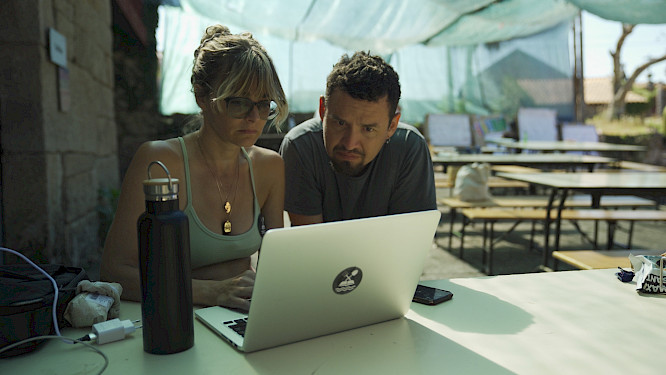
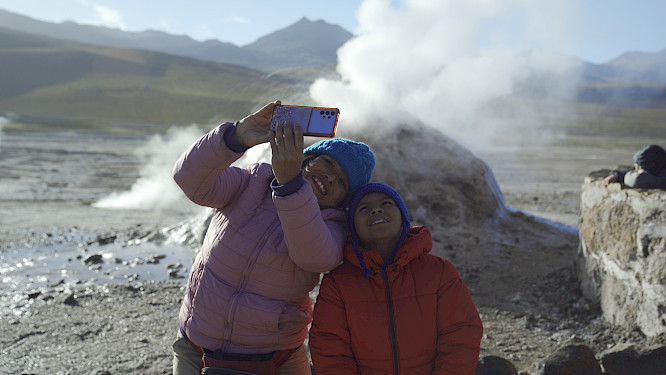
All We Have Is Us connects the orange deserts of Chile’s Atacama with the green valleys of Serbia’s Jadar, two lands threatened by lithium mining from Rio Tinto, the world’s second biggest mining company. Through Leyla, an Aymara journalist, and Bojana, a Serbian actress, the film reveals two women compelled to defend their mother’s hometowns, water, and democracy against promises of “green progress.” Alongside Ramón, a Chilean photographer, they weave transcontinental bonds of solidarity and fragile hope. Inside Rio Tinto’s offices and industrial plants, the documentary confronts polished corporate narratives, exposing the tension between renewable energy and community rights, between climate action powered by batteries and the preservation of biodiversity. It is both a story of destruction and resilience, but mostly a cinematic reflection on vigilance: to stay alert to the seduction of corporate progress, to remain cautious even in victory, and to trust in collective action.
DIRECTOR’S STATEMENT
As migrant filmmakers rooted in socio-environmental movements, we face the contradiction of living in places that profit from the destruction of our origins. All We Have Is Us is both film and tool: a choral story that begins and ends in family while expanding across continents. We filmed people, not characters: dignity carries the narrative. With a decolonial and feminist lens, drones and archives expose the scars of mining alongside moments of intimacy, humor, and resistance. The music and montage mirror this rhythm of tension and release. Emerging from within communities rather than about them, the film is a mosaic of resistance that asks not only how to solve the energy question, but why, and why now.