Germany 2018, 111 minby Gerd Kroske
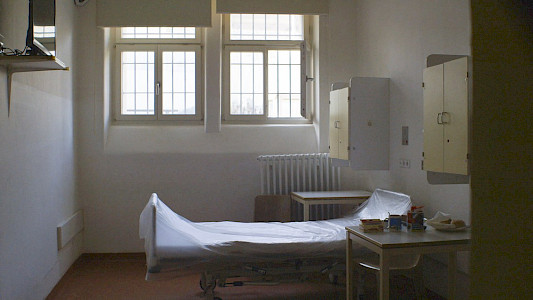
In 1970, Dr. Wolfgang Huber and a group of patients founded the anti-psychiatric (Sozialistische PatientenKollektiv - SPK) 'Socialist Patient’s Collective' in Heidelberg. Controversial therapy methods, political demands, and a massive interest in the movement from patients deeply distrustful of conventional “custodial psychiatry,” led to run-ins with the University of Heidelberg and local authorities. The conflict quickly escalated and resulted in the radicalization of the SPK. Their experiment
SPK Complex
Germany 2012, 106 minby Philip Scheffner
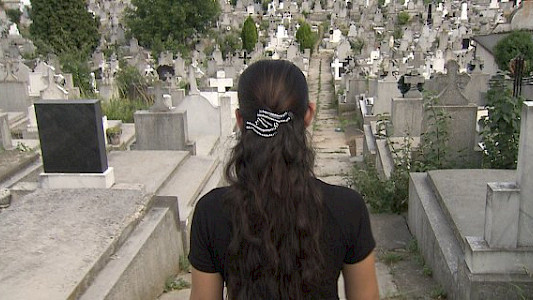
On June 29th, 1992 a farmer discovers two bodies in a corn field in the North East of Germany. Police enqiries lead to the fact that the dead men are Romanian citizens. During the attempt to cross the EU border, they have been shot by hunters. The hunters claim that they had mistaken the people for wild boar. Four years later, the trial begins. It will never be proved, which of the hunters has fired the fatal bullet. The verdict: not guilty. German Press Agency dpa reports: 'From Romania, noone
REVISION
Germany 2010, 100 minby Philip Scheffner
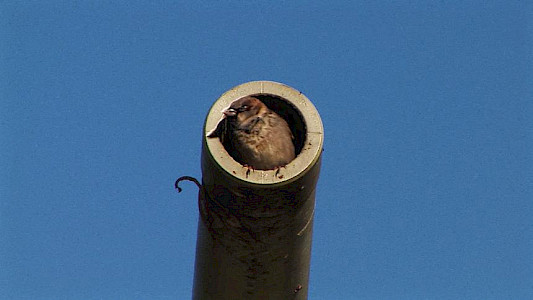
DAY OF THE SPARROW is a political wildlife documentary. It tells the story of a country where theborder between war and peace is disappearing. On November 14th , 2005 a sparrow is shot dead in Leeuwarden, and in Kabul a German soldier dies. These competing headlines are the starting point for director Philip Scheffner, to trace the war using the methods of an ornithologist. On his journey through Germany, the camera circuits a reality of the war – by capturing images of apparent peace.Dialogue
THE DAY OF THE SPARROW
You can contribute updates for the current person (Volker Zeigermann).
Bitte aktivieren Sie Javascript, um auf unsere Website zugreifen zu können.