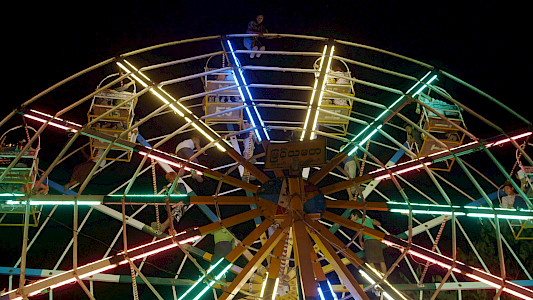
Myanmar, Germany 2022, 89 minby Hnin Ei Hlaing
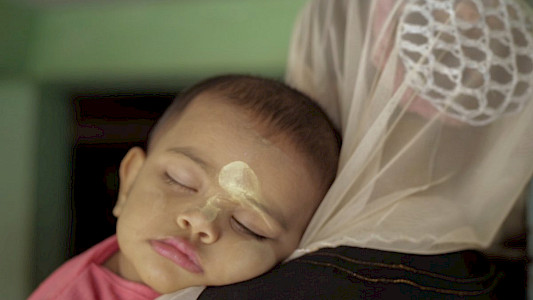
Two midwives, one Buddhist and one Muslim, defy strict ethnic divisions to work side by side in a makeshift clinic in western Myanmar, providing medical services to the Rohingya of Rakhine State. Over five years we witness their struggles, hopes and dreams amidst an environment of ever-increasing chaos and violence.Hla and Nyo Nyo live in a country torn by conflict. Hla is a Buddhist and the owner of a makeshift medical clinic in western Myanmar, where the Rohingya (a Muslim minority community)
Midwives
Germany 2019, 95 minby Stefan Sick
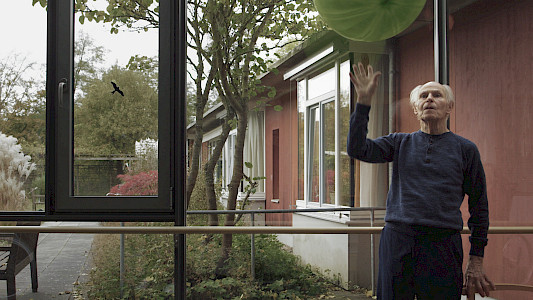
Dementia, a diagnosis that changes everything for those who are affected and for their relatives. Accepting the disease can seem just as difficult as finding an appropriate approach. But perhaps it is much more about compassion than about understanding? In an observational way, THE INNER LIGHT explores the everyday lives of people with dementia and focuses mainly on positive situations and encounters. The film tries to offer a poetic interpretation of this special state of being and aims at redu
The Inner Light
Germany 2018, 52 minby Niko Apel
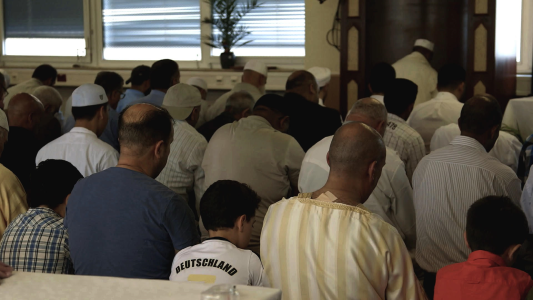
Muslims don't do anything against the progressing radicalisation oftheir faith brothers? - They do.Ron W. from Berlin and Mustapha L. from Frankfurt/Main have taken up thefight for so long: Day for day they face the radicalisation process inschools and mosques.(Internationale Hofer Filmtage)
From Muslim to Muslim
Germany 2018, 65 minby Rebekka Kaufmann
In WE OWN THE CRISIS Rebekka Kaufmann accompanies a family from Athens in their everyday lives - as lone fighters and united as a family. But the only place they come together is now threatened with foreclosure: their apartment. The film reflects sensitively and personally the current situation of many citizens of Greece and gives an insight into the consequences of the Greek crisis.
We Own the Crisis
Germany 2016, 75 minby Eva Knopf
Until recently Myanmar was shut off from the rest of the world by a military dictatorship. Ever since a democratisation process started, the country opend up, not only politically but also economically. Investors and multinational companies view Myanmar today as the 'last frontier' of globalization: 53 million new customers may be waiting to avail themselves of their products!But how do the Burmese navigate between the new offers and opportunities and their traditional values? MYANMARKET accompa
Myanmarket
Germany 2015, 93 minby Andrea Roggon
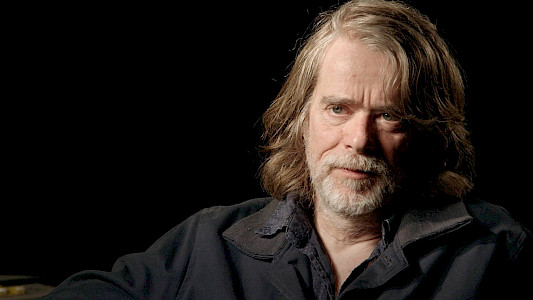
Helge Schneider is one of the most extraordinary German artists: Jazz musician, entertainer, film director, actor and clown. His exceptional talent is his improvisational skill. This is where he shows his bubbling creativity. “I make the everyday grey colorful,” is what he says about himself. In his world, the fantastic coexists with the everyday and it is difficult to define the boundaries between reality and fiction. Even in his communication with his audiences, this element of disguise is use
Mülheim Texas - Helge Schneider here and there
You can contribute updates for the current person (Ulla Lehmann).
Bitte aktivieren Sie Javascript, um auf unsere Website zugreifen zu können.