Germany 2019, 91 minby Ines Johnson-Spain
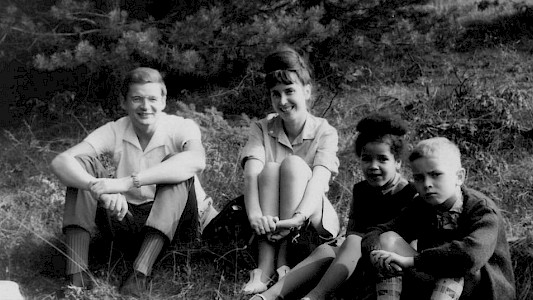
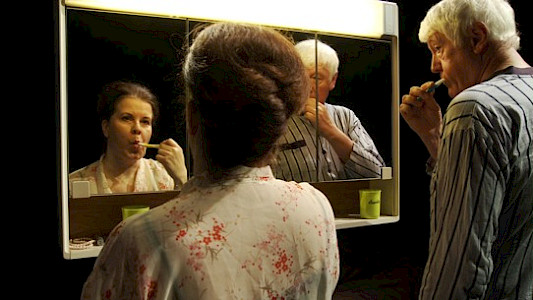
Imagine that your parents are white but your skin colour is dark and they tell you that 's pure coincidence. This is what happened to a girl in East Berlin in the 1960s. Years before, a group of African men came to study in a village nearby. Here the East German woman Sigrid falls in love with Lucien from Togo and gets pregnant. But she is already married to Armin. The child is filmmaker Ines Johnson-Spain. Meeting her stepfather Armin and others from her childhood years, she tracks the astonish
Becoming Black
2018, 91 minby Bettina Borgfeld
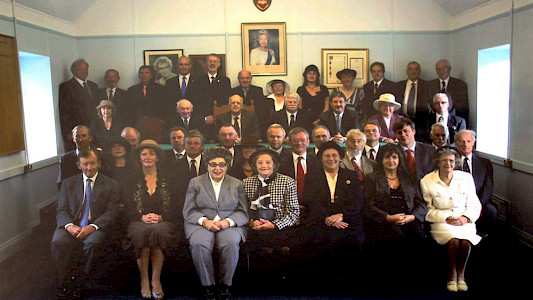
Two billionaire brothers buy themselves into the island of Sark, where only 600 inhabitants live - till then in harmony with nature and with a strong sense of community. A battle begins that unfolds a conflict in an idyllic setting. The brothers remain phantoms in the film as they never enter the battlefield themselves.
The Price of Paradise
2017, 91 minby Judith Keil, Antje Kruska
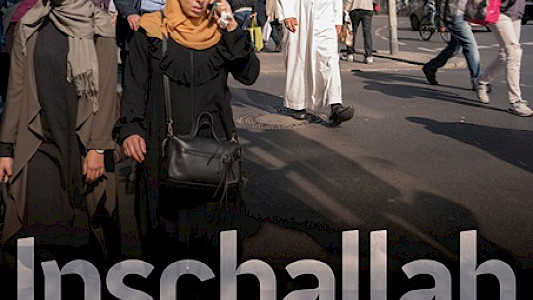
Der Film begleitet den Imam bei seiner täglichen Arbeit, in der er für Familienprobleme Rat geben soll und zugleich Stellung beziehen zu politischen Fragen der Öffentlichkeit. Dabei führt er ein offenes Haus, indem er immer wieder zu Diskussionen einlädt. Während er in seiner muslimischen Gemeinde oft gegen eine zu strenge Auslegung der Religion ankämpft, steht er in der deutschen Öffentlichkeit unter Verdacht, zu konservativ, wenn nicht sogar radikal zu sein."Dabei entwickelt der Film eine stim
INSCHALLAH
Germany 2016, 87 minby Susan Gluth
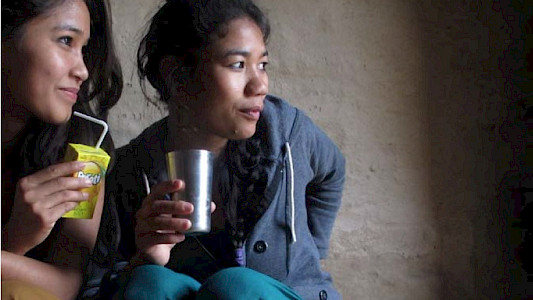
Urmila’s dream is to end child slavery in Nepal. The human rights activist was sold by her parentswhen she was 6 years old. 12 years later she became free. The film portraits her quest for justice andher personal fight against the inner demons of her own past. First she must break through the controlof those around her to begin to make her own life choices."In Nepal, Kamalari is a custom of selling girls, who are forced to slave labor and do not have access to education. One of them was Urmila,
URMILA my memory is my power
2015, 79 minby Eva C. Heldmann
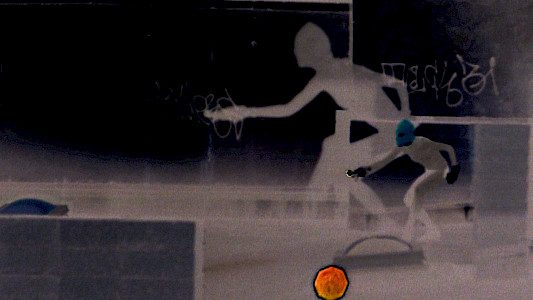
The film interviews five people who cannot pay their electricity bills. They live below the poverty line without light and heat, in or near large cities. Berlin based artist Laurence Grave acts a composite rôle, representing aspects of the other people. She sees, hears and touches in her forsaken apartment, and feels limited and excluded. At the same time she is extra-sensitive to the passage of light, day and night, through her windows. A long indoor twilight persists between the bright sunligh
Electricity
Germany 2012, 86 minby Calle Overweg
Three couples in crisis each seek advice at therapy sessions and argue over infidelities, abortion and separate bedrooms. Accusations, fears and traumas all come up, with separation very much on the cards. These case studies reveal areas of conflict, structures and relationship patterns all of a universal nature. A film that portrays the efforts needed to preserve love and relationships as a work in progress. A set-up whereby therapy sessions are held in the sober atmosphere of a studio. The pro
NEGOTIATING LOVE
Germany 2011, 90 minby Carmen Losmann
A film about non-territorial office space, multi-mobile knowledge workers, Blackberries and Miles&More. A road movie discovering the working world of tomorrow. This documentary will take you on a journey through the post-industrial knowledge and services workshops, our supposed future working place. In this new world work will be handled more liberally. Time clocks cease to exist. Attention is not compulsory any more. The resource 'human' comes into focus. The film closely follows the high-tech
WORK HARD - PLAY HARD
Germany 2011, 79 minby Branwen Okpako
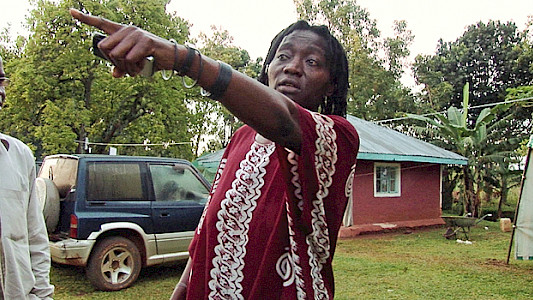
Branwen Okpako’s „The Education of Auma Obama“ is a captivating and intimate portrait of the U.S. president’s older half-sister, who embodies a post-colonial, feminist identity.An academic overachiever, she studied linguistics and contemporary dance in Heidelberg, Germany, before enrolling in film school in Berlin, where she met Nigerian-born director Okpako in the nineties. After living in the United Kingdom for a short period, Auma Obama eventually moved back to Kenya to mentor a young generat
THE EDUCATION OF AUMA OBAMA
Germany 2008by Cosima Lange
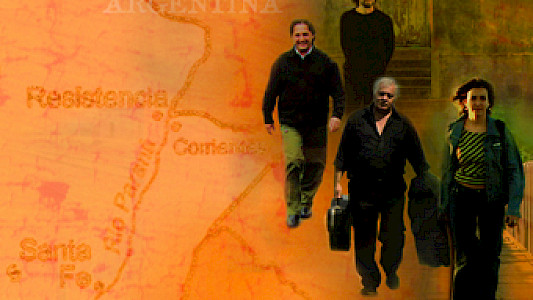
CHAMAME MUSIC, PEOPLE, POETRY introduces a popular Argentinean style of world music and four artists whose lives revolve around it. You will meet Gicela Mendez Ribeiro, a rising young singer; Alberto Bofill, self-declared ambassador of the Chamame tradition; bandleader Monchito Merlo, who represents a widely popular style; as well as the international award-winning accordionist Chango Spasiuk. While they couldn't be more different, Chamama to each one is much more than just music. It represents
CHAMAMÉ – MUSIC, PEOPLE, POETRY
Germany 2004, 108 minby Andres Veiel
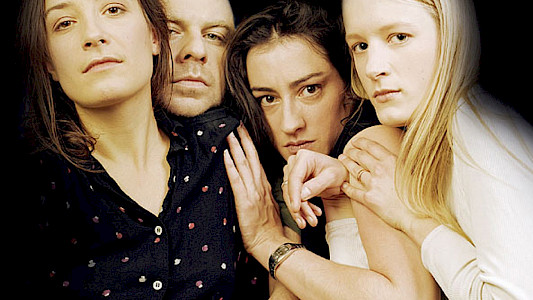
Four acting students are the focus of Andres Veiel’s long-term observational documentary. We meet Stephanie, Karina, Constanza and Prodromos while they are preparing for their acting school auditions. The selection procedure takes months; it is a trying, nerve-racking time spent vacillating between hope and anxiety. All four make it into the school, but their initial euphoria about commencing their studies – including group exercises, role play and obligatory fencing lessons
Die Spielwütigen - Addicted To Acting
You can contribute updates for the current person (Ulla Kösterke).
Bitte aktivieren Sie Javascript, um auf unsere Website zugreifen zu können.