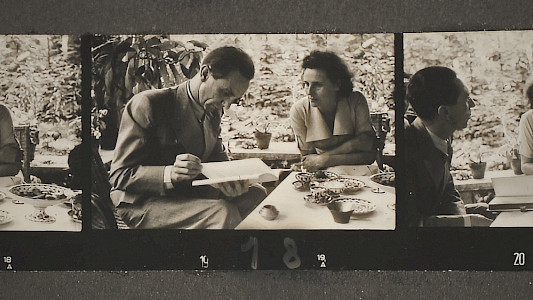
Germany 2024, 115 minby Andres Veiel
A captivating insight into the private estate of Leni Riefenstahl, who became world-famous with her Nazi propaganda film TRIUMPH OF THE WILL but kept denying any closer ties to the regime.Leni Riefenstahl is considered one of the most controversial women of the 20th century as an artist and a Nazi propagandist. Her films TRIUMPH OF THE WILL and OLYMPIA stand for perfectly staged body worship and the celebration of the superior and victorious. At the same time, these images project contempt for the imperfect and weak. Riefenstahl’s aesthetics are more present than ever today - but is that also true for their implied message? The film examines this question using documents from Riefenstahl's estate, including private films, photos, recordings and letters. It uncovers fragments of her biography and places them in an extended historical context. How could Riefenstahl become the Reich's preeminent filmmaker and keep denying any closer ties to Hitler and Goebbels? During her long life after the fall of Nazism, she remained unapologetic, managing to control and shape her legacy. In personal documents, she mourns her "murdered ideals". Riefenstahl represents many postwar Germans who, in letters and recorded telephone calls from her estate, dream of an organizing hand that will finally clean up the "shit-hole state". Then, her work would also experience a renaissance, in a generation or two this time could come - what if they are right?
RIEFENSTAHL
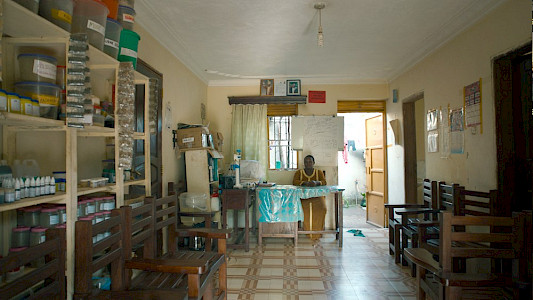
Austria, Germany 2019, 99 minby Katharina Weingartner
Every 60 seconds in Africa a child dies from malaria. The illness accounts for the death of at least half a million people every year, 90% occurring in the sub-Saharan regions of Africa. Aside from the human cost, the annual economic losses attributed to Malaria total over 12 billion USD.And despite the vast amount of research, there is currently no single solution for the fight against malaria – yet. Plasmodium is one of the oldest known parasites on earth and has played a crucial role in various wars; but the war against malaria still remains to be won. In 1955, a global effort to eradicate endemic malaria was initiated by the WHO, but it was mostly successful in countries with temperate climate. For the countries in Africa, India and South-East Asia the solution is yet to be found. The approaches vary from traditional Chinese herbal medicine to semi-synthetic medication, from the distribution of insecticide-treated bednets to costly vaccination programs. The parasite constantly challenges the global community, the public health organisations and private aid-funds.For THE FEVER Katharina Weingartner focuses on the complex history, present and future of Malaria and observes the search for a solution. The film introduces the people who work in the health industry and the people who are trying to survive the illness. (POOL DOKS)
The Fever
Bitte aktivieren Sie Javascript, um auf unsere Website zugreifen zu können.