Germany 2023, 106 minby Tilman Urbach
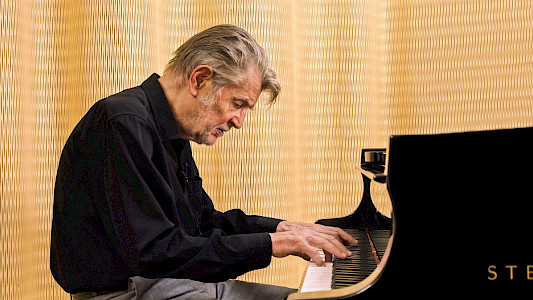
Alexander von Schlippenbach is a free jazz hero from Berlin who experienced total freedom in music from the 1960s on. The film follows him to the present day and also considers the political background of European free jazz in the spirit of optimism of the '68 movement. In the film v. Schlippenbach meets old companions. He travels to a studio in Cologne where he meets up with trumpeter Manfred Schoof. As they play together they reminisce about the 60s, when jazz was free of any entertainment att
Tastenarbeiter – Alexander von Schlippenbach
Germany 2017, 93 minby Tilman Urbach
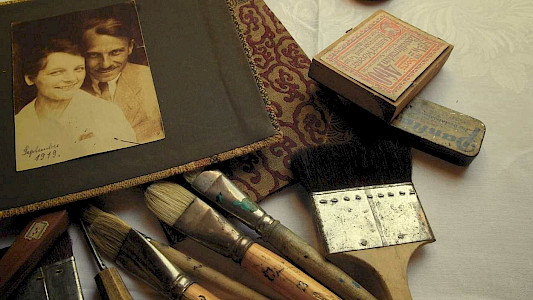
Josef Urbach was a young artist when patrons of the art Scene in Essen, the jewish families Simon, Levy, Abel and Stern, facilitated a study trip to Italy for him for several months in 1921. The paintings created on this trip were passed on the families´ art collections. But when the Nazis came to power, everything changed drastically. In 1937 they declared two of his works as degenerate art and removed them from the Museum Folkwang. Little by little, Urbach lost his patrons, his paintings in Je
Josef Urbach – LOST ART
2014, 90 minby Tilman Urbach
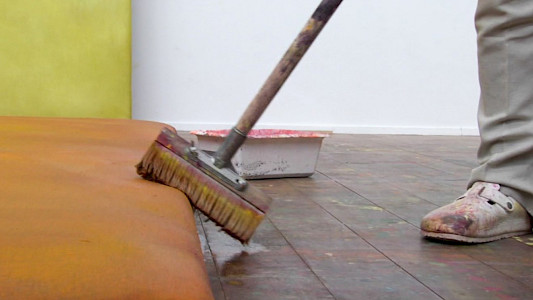
In summer 2010 the internationally known painter Gotthard Graubner opened his studio on the Museumsinsel in Neuss/Hombroich to the filmmaker Tilman Urbach. The result is a unique insight into Graubner’s work process. He tells of his artistic driving forces, but also of his doubts at the beginning of his long career. In addition Graubner was involved in the constitution of the collection on the Museumsinsel Hombroich. Accompanied by the camera, he takes us around the island.In an exhibition in th
Gotthard Graubner – Vivid Colour
You can contribute updates for the current person (Tilman Urbach).
Bitte aktivieren Sie Javascript, um auf unsere Website zugreifen zu können.