Germany 2018, 111 minby Gerd Kroske
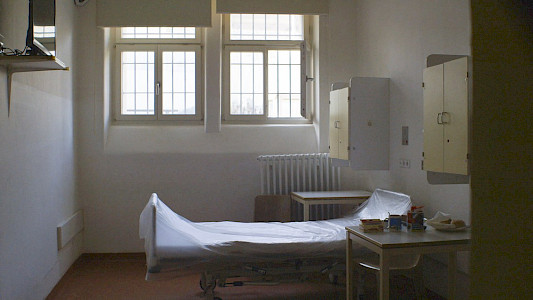
In 1970, Dr. Wolfgang Huber and a group of patients founded the anti-psychiatric (Sozialistische PatientenKollektiv - SPK) 'Socialist Patient’s Collective' in Heidelberg. Controversial therapy methods, political demands, and a massive interest in the movement from patients deeply distrustful of conventional “custodial psychiatry,” led to run-ins with the University of Heidelberg and local authorities. The conflict quickly escalated and resulted in the radicalization of the SPK. Their experiment
SPK Complex
2017, 91 minby Judith Keil, Antje Kruska
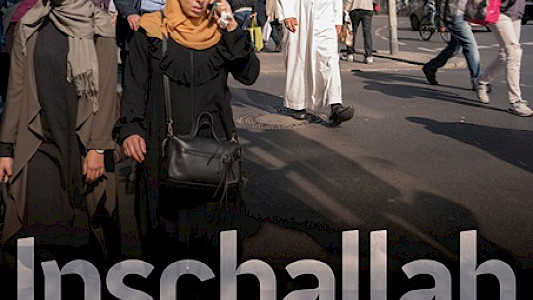
Der Film begleitet den Imam bei seiner täglichen Arbeit, in der er für Familienprobleme Rat geben soll und zugleich Stellung beziehen zu politischen Fragen der Öffentlichkeit. Dabei führt er ein offenes Haus, indem er immer wieder zu Diskussionen einlädt. Während er in seiner muslimischen Gemeinde oft gegen eine zu strenge Auslegung der Religion ankämpft, steht er in der deutschen Öffentlichkeit unter Verdacht, zu konservativ, wenn nicht sogar radikal zu sein."Dabei entwickelt der Film eine stim
INSCHALLAH
Germany 2009, 95 minby Gerd Kroske
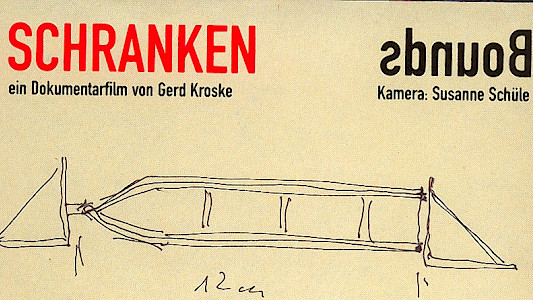
In the 80's, new border barrier systems were used in the former GDR. The escape attempts with cars towards West Germany increased. Metal workers and Stasi (Ministry for State Security) are working hand in hand for the defence against “terrorism” in order to prevent escape attempts. In conspiratorial work they created new barriers after their actual working hours. Crash tests for the defence against terrorism, collisions for the case of emergency. Cars crashing into the new barricades, leaving a
BOUNDS
You can contribute updates for the current person (Susanne Schüle).
Bitte aktivieren Sie Javascript, um auf unsere Website zugreifen zu können.