2023, 118 minby Regina Schilling
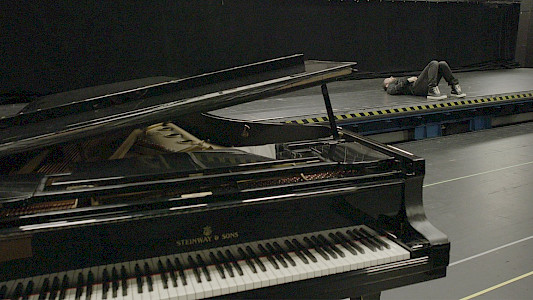
At 34, Igor Levit is an exceptional artist in the world of classical music. A young rebel, who - at the piano - transforms into a mature musician. At age nine he arrived in Germany, a Jewish immigrant of Russian descent. Having an opinion and publicly expressing it, is not a choice, it is a survival strategy. The film follows the artist over two years as Levit explores his “life after Beethoven“, as he searches for his next challenge, his identity as an artist. We observe him recording new piece
Igor Levit – No Fear
Germany 2018, 92 minby Regina Schilling
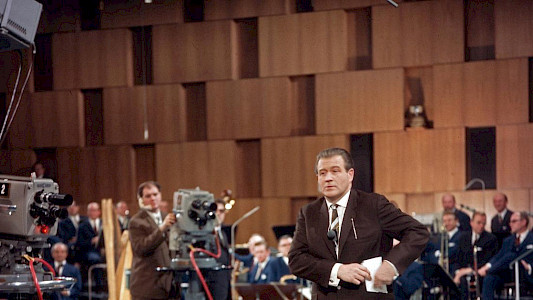
Just as the Federal Republic of Germany went uphill, German entertainment television developed so splendidly. And the showmasters took part in forgetting the war and its traumatic events: Kulenkampff, Hans Rosenthal and Peter Alexander. All three fell into the turmoil during the war, Kulenkampff and Alexander as soldiers, Rosenthal as a Jew, who, with unbelievably luck, narrowly escaped deportation several times. Like my father, they belonged to a very special generation: First abused by Nationa
Kuhlenkampff's Shoes
2014, 94 minby Regina Schilling
Portrait of actress, author and director Adriana Altaras. Adriana Altaras is a director, actress and writer. And she is from a country which no longer exists: Yugoslavia. The daughter of Jewish partisans who fought for Tito and later started a new life in post-war Germany, in this lovely film she tells the story of her ’high maintenance family’. Adriana’s domestic situation appears unusual at first glance, but can be seen as typical of the generation born after the War. Despite a high standard o
TITO’S GLASSES
Germany 2008, 90 minby Regina Schilling
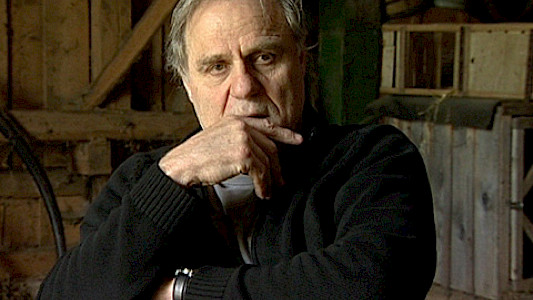
For two years, Schilling accompanied this exceptional actor and interviewed some of his temporarycompanions such as Werner Herzog, Herbert Achternbusch and his lover Luisa Francia. Bierbichleropenly talks about his love-hate relationship with the theatre, the origins and his longing for art,his inner conflict with being an actor and his search for new ways including singing Mahler andEisler songs and writing a book. With diary-like video recordings, the film creates especially movingmoments in w
BIERBICHLER
You can contribute updates for the current person (Regina Schilling).
Bitte aktivieren Sie Javascript, um auf unsere Website zugreifen zu können.