2023, 118 minby Regina Schilling
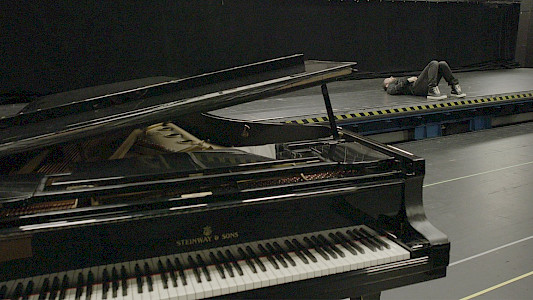
At 34, Igor Levit is an exceptional artist in the world of classical music. A young rebel, who - at the piano - transforms into a mature musician. At age nine he arrived in Germany, a Jewish immigrant of Russian descent. Having an opinion and publicly expressing it, is not a choice, it is a survival strategy. The film follows the artist over two years as Levit explores his “life after Beethoven“, as he searches for his next challenge, his identity as an artist. We observe him recording new piece
Igor Levit – No Fear
Germany 2022, 85 minby Elwira Niewiera, Piotr Rosolowski
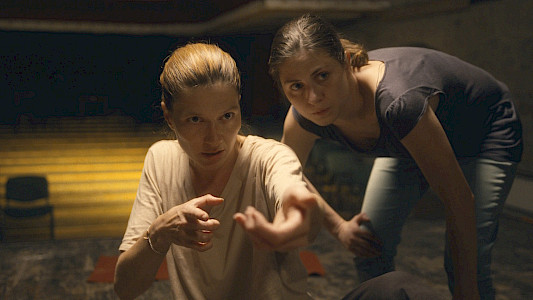
The Hamlet Syndrome depicts the young Ukrainian generation scarred by war and political breakthroughs. The film's starting point is the preparation for a play based on the motifs of Shakespeare's Hamlet, which, combined with an intense glimpse into the lives of the characters, creates a powerful portrait of a generation having to confront their war trauma and tackle the painful past, which now after the Russia's invasion of Ukraine becomes their present and future alike.
The Hamlet Syndrome
Switzerland, Germany, Polen 2020, 94 minby Eliza Kubarska
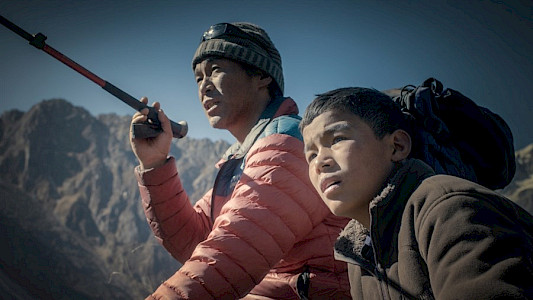
When a Sherpa family is asked by a group of westerners to lead a trek up the never-conquered east wall of the imposing Kumbhakarna Mountain in Nepal, they’re confronted with a dilemma. Not only is the summit reputed to be more challenging than Mount Everest, but according to the local Kirant religion, it’s a sacred mountain that is not supposed to be ascended. While the father would like to earn the money necessary for his son’s education, the mother, a fierce woman who supports her boy’s dream
The Wall of Shadows
You can contribute updates for the current person (Piotr Rosolowski).
Bitte aktivieren Sie Javascript, um auf unsere Website zugreifen zu können.