Germany, Polen 2017, 82 minby Elwira Niewiera, piotr rosolowski
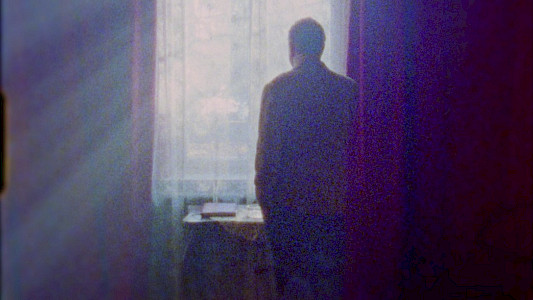
The son of a poor Jewish blacksmith from Ukraine, died in Italy as Prince Michael Waszynski, Hollywood producer and exiled Polish aristocrat. he made more than 50 films including cinema hits with Sophia Loren and Claudia Cardinale. However only one film was his true obsession - "The Dybbuk" - based on an old Jewish legend, the most important and mystical Yiddish film ever made, directed by Waszynski shortly before the outbreak of the WWII.To the American magazine "Variety", Waszynski once claime
The Prince and the Dybbuk
Germany 2016, 27 minby Corinna Belz
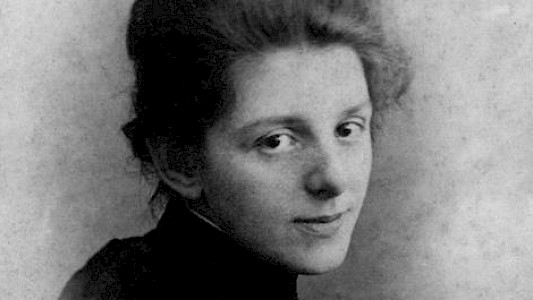
Until her early death at the age of 31 in 1907, Paula Modersohn-Becker had two great loves: the art and the city of Paris. With great pleasure and determination, she explored both.Between 1900 and 1906, she visited Paris four times, spending a total of two years in the French capital. Like a sponge, the young German sucks up the Belle Epoque. She discovers Cézanne, meets Rodin, attends courses in private academies, draws daily in the Louvre. With excerpts from Paula Modersohn-Beckers' graphic an
4x PARIS - Paula Modersohn-Becker
2016, 89 minby Corinna Belz
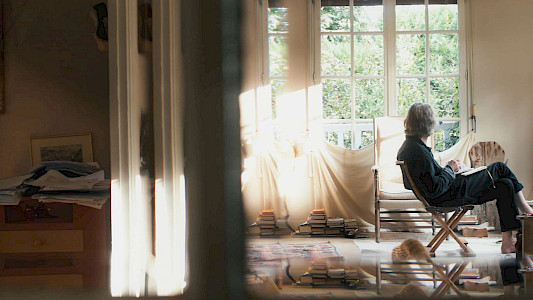
A film about words and about a luminary of modern literature: about Peter Handke, with Peter HandkeIn her new documentary, filmmaker Corinna Belz explores the enigma that is Peter Handke. His book titles read like the tunes on a jukebox, like the watchwords of several successive generations of readers: ‘Offending the Audience’, ‘The Goalkeeper’s Fear of the Penalty’, ‘A Sorrow Beyond Dreams’, ‘Short Letter, Long Farewell’, and ‘The Weight of the World’. In the ‘60s, Peter Handke showed how to wa
Peter Handke - in the woods, might be late
Germany 2009, 87 minby Marian Kiss
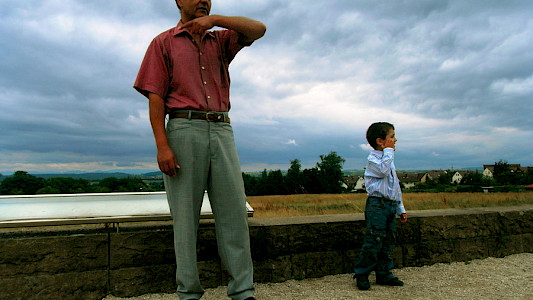
They were heroes of a special kind. They came from the steppes, the sons of farmers, of factory floor women. Salt-of-the-earth, strapping young men, model husbands, who believed in communism with all their hearts. Bright futures lay ahead of them. In the name of the Intercosmos Programme they were about to conquer space. One perfect specimen of manhood from every communist nation. First the Czechoslovakian, followed by a Pole, an East-German, a Bulgarian, a Hungarian, a Vietnamese, a Rumanian, a
SPACE SAILORS
You can contribute updates for the current person (piotr rosolowski).
Please enable JavaScript to access our website.