Germany 2012, 90 minby div
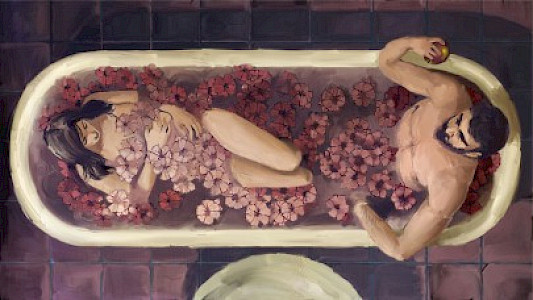
GOLDRUSH tells the story of the Treuhandanstalt - the most expensive experiment and the greatest white-collar-crime since Worldwar II. It’s a film about greed as the driving force of economic development. The trust agency 'Treuhand' was established to privatise the state owned enterprises of the GDR. Never before had there been an enterprise like the Treuhand that temporarily ran and speedily privatised 8,500 companies. With four million jobs at stake in East Germany, this was a novel and unique
GOLDRUSH - HOW TO SELL OFF A COUNTRY
Germany 2011, 97 minby Annekatrin Hendel
Once with the Stasi, always with the Stasi? Once you were in the agent controller's grasp you could never escape - that's what they say, anyway. Writer Paul Gratzik was an unofficial informer for the GDR State Security Service for twenty years, broke with them in the 80's and exposed his identity. "Vaterlandsverräter" ("Traitors to the Fatherland") is a portrait of an exceptional man. On one hand it is a psychological profile of one of an extraordinarily paradoxical figure, a "man of extrem
VATERLANDSVERRAETER
Germany 2004, 108 minby Andres Veiel
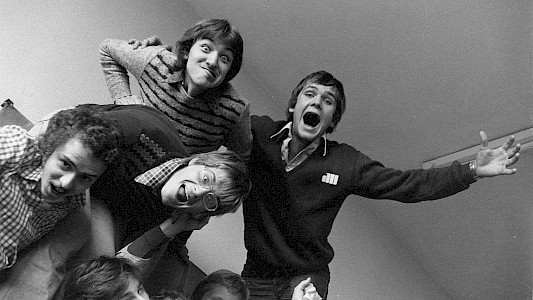
Four acting students are the focus of Andres Veiel’s long-term observational documentary. We meet Stephanie, Karina, Constanza and Prodromos while they are preparing for their acting school auditions. The selection procedure takes months; it is a trying, nerve-racking time spent vacillating between hope and anxiety. All four make it into the school, but their initial euphoria about commencing their studies – including group exercises, role play and obligatory fencing lessons
Die Spielwütigen - Addicted To Acting
Germany 1996, 96 minby Andres Veiel
Rudi, Tilman and Thilo are dead – of their own free will. In the provinces of Swabia, Andres Veiel faces up to the tragedy of his former classmates and comes to the disturbing conclusion that every suicide ensnares its survivors in an intricate web of guilt and self-pity.
THE SURVIVORS
You can contribute updates for the current person (Paul Oberle).
Bitte aktivieren Sie Javascript, um auf unsere Website zugreifen zu können.