Germany 2024, 110 minby Kathrin Jahrreiss
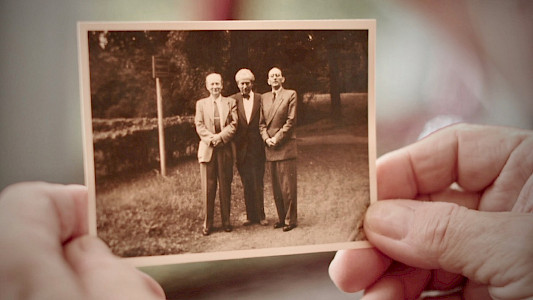
In her father's basement, the director finds letters and photos from her German-Jewish family history, in which three brothers are torn between the fronts of political ideologies from the Third Reich to divided Germany. DER DRITTE BRUDER is the grandfather of the filmmaker, who, in confronting her father, tries to understand where in the past the father's sense of family fell by the wayside.The cinematic journey also reveals how the third brother's decisions have shaped the family for generation
The Third Brother
2023, 90 minby Moritz Springer
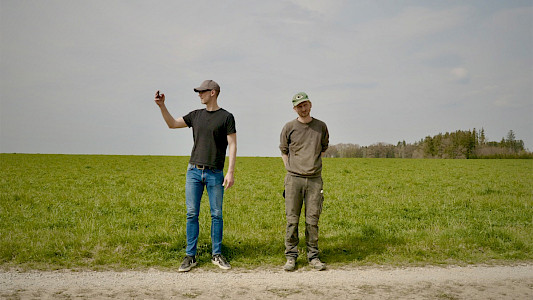
Far beyond merely offering an alternative model for agriculture, a collective of potato-growers straddles the line between an inspiring vision and sobering reality.Over a period of nine years, this documentary observes the Kartoffelkombinat, a collective of potato-growers in Munich, on its way to becoming Germany’s largest agricultural cooperative. The efforts of the organization’s two founders have been in service of a grander vision: finding an alternative to the capitalist mode of production.
The Combine
Germany 2020, 85 minby Moritz Springer
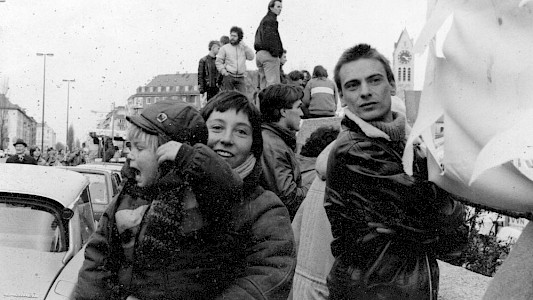
Alternative life? Director Moritz Springer seeks answers to uncomfortable questions about the 68ers and the Nazi era in his own family. (Süddeutsche Zeitung, SZ.de)What exactly is family? In what way are we shaped by the fates of our forebears? "My Grandpa, Karin and I" is an intimate glimpse into the filmmaker's family life. His grandparents are old and needy. They live in a retirement home. The grandfather expects daughter Karin to take care of him now that grandmother can't manage anymore. An
My Grandpa, Karin and I
You can contribute updates for the current person (Nicole Winterbauer).
Bitte aktivieren Sie Javascript, um auf unsere Website zugreifen zu können.