2019, 90 minby Matthias Heeder, Monika Hielscher
Around the globe, rights of use of marine and coastal zones are being reallocated – an investigation into the consequences of ocean grabbing.Around the globe, the rights of use and ownership of marine and coastal zones are being reallocated. In line with global market rules and largely kept hidden from the public, changing national and international legislation is leading to a development that is overruling the traditional rights of use of local commmunities. Fishermen and coastal inhabitants ar
Ocean Grabbing – New Laws of the Sea
Germany 2017, 87 minby Monika Hielscher, Matthias Heeder
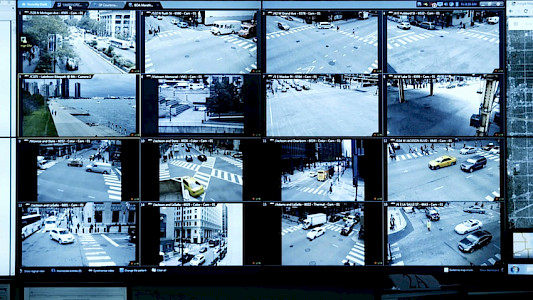
To predict a future crime scene and to prevent a murder seems like something from a sci-fi movie. It is, but it’s also real – and happening right now. To make this possible, powerful computers and omnipresent cameras capture data from all sources, which is then evaluated and analyzed with the help of algorithms. At the same time, we, the citizens are transformed into carriers of recorded data – our every move, message and purchase tracked and mapped. Ratings of how likely we are to commit a crim
PRE-CRIME
Germany 2014, 90 minby Monika Hielscher, Matthias Heeder
MONEY IN MINUTES tells of a lesser-acknowledged aspect of globalization: international work-related migration as the business foundation of financial service providers worldwide. According to World Bank estimates, around 420 billion US dollars will circle the globe in 2013, money that is earned in the affluent North by migrant workers and sent home to their families via companies that are specialized in money transfer, like Western Union and MoneyGram. Their money transactions produce the raw ma
MONEY IN MINUTES
You can contribute updates for the current person (Monika Hielscher).
Bitte aktivieren Sie Javascript, um auf unsere Website zugreifen zu können.