Germany 2020, 97 minby Andreas Voigt
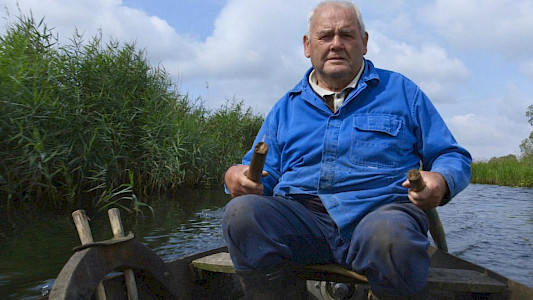
The river Oder: A historical and cultural landscape churned again and again by the tide of events of the past century. A tale told in concentric circles about a region which was and still is the scene of the beginning, end and open middle of voluntary and involuntary migrations. Virulent issues of daily life and politics that, asked with confident casualness, provide a robust account of the present.Movements and stories in the border region between Poland and Germany – Andreas Voigt’s new film t
Borderland
Germany 2016, 92 minby Elí Roland Sachs
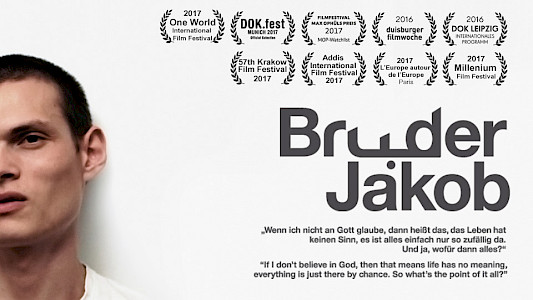
Jakob is my dear brother. He used to love to party, make music and let himself drift through life in Berlin. Then six years ago, he suddenly became a Muslim. He broke off contact with his old friends and his old ways. Now as a Salafist, every question has an answer in the rules of a fundamental Islam.By filming him, I go in search of our lost bond of brotherly love and suddenly find myself on a journey with him, that goes beyond a religious exploration.
Brother Jakob
Germany 2014, 73 minby Markus Lenz
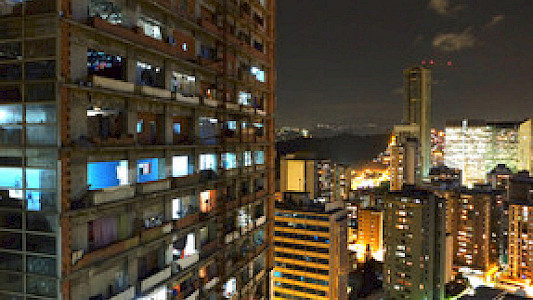
What happens when a bank fails? For example it is gonna be squatted by 3000 people and transformed into a housing project. Downtown Caracas a 200 meter skyscraper-ruin is rising up to the caribbean sky and is used as a shelter for 750 families. Ignored by the city's administration and dreaded by the neighborhood the inhabitants of Torre Confinanzas build up their own model of a socialist micro-society in their vertical city. Ruina tells about difficulties and achievements by building
RUINA
You can contribute updates for the current person (Markus Lenz).
Bitte aktivieren Sie Javascript, um auf unsere Website zugreifen zu können.