Germany 2022, 88 minby Pamela Meyer-Arndt
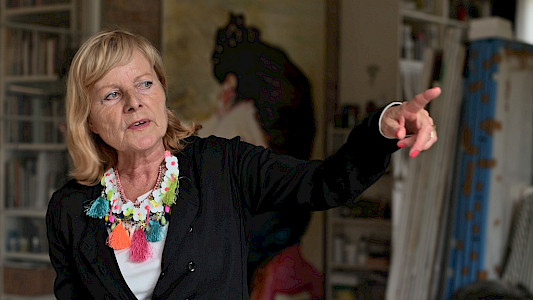
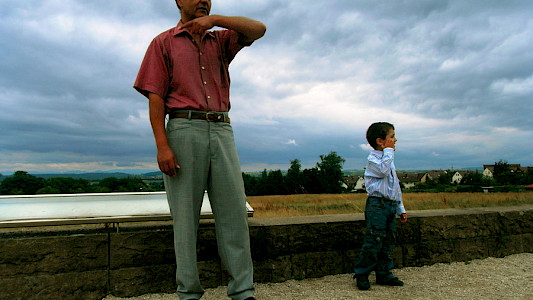
REBEL BEINGS unveils the fight for survival of three female artists behind the iron curtain of the GDR. As young women in Cold War era East Germany, Cornelia Schleime, Gabriele Stötzer and Tina Bara were repressed and persecuted by the socialist system and the Stasi for their art and political protest. At the lowest point, they only had cameras and their bodies left in order to express themselves. This film intimately explores their fearless struggle for existence, creative freedom and exception
REBELS
Germany 2022, 52 minby Lars Barthel, Marian Kiss
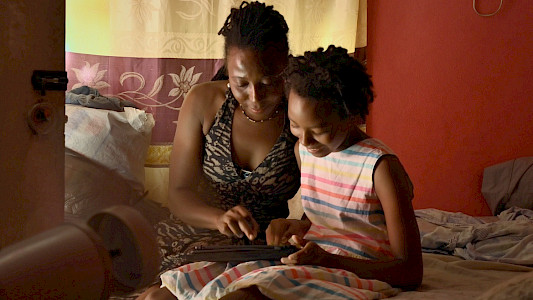
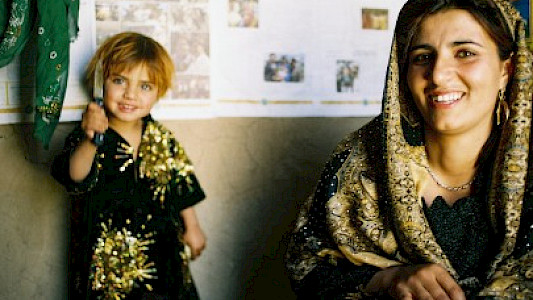
Rasta Gracie dreams of owning her own store to help her support her daughters. The film offers an insight into the everyday life of a feisty Rasta woman and her friends, the healers.Gracie and her Rasta friends, Quaco and Robert, live in eastern Jamaica, at the foot of the Blue Mountains. Gracie is a larger-than-life Rasta woman who loves to rap. She lives in a village with just 400 inhabitants with her ten-year-old daughter Anna. Her elder daughter lives with her mother-in-law in Kingston. Grac
Rasta Gracie and Jamaica's Healers
Germany 2020, 104 minby Jana Matthes, Andrea Schramm
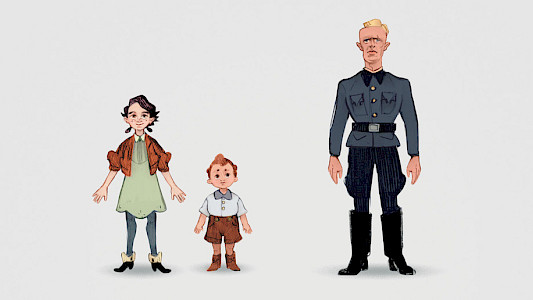
Yaar is a young Jewish Berliner who dreams of being a game designer someday. He associates nothing with Judaism but lambs being led to the slaughter house. He accuses his father of suffering from the Holocaust despite never even having experienced it firsthand. Yaar rebels by developing a computer game: "Shoah. When God was asleep". He creates a virtual Germany of the 1940s where Jews can defend themselves and Nazis don't necessarily have to be bad guys. Then, his own family's history turns his
TACHELES - The Heart of the Matter
Germany 2018, 84 minby Lars Barthel
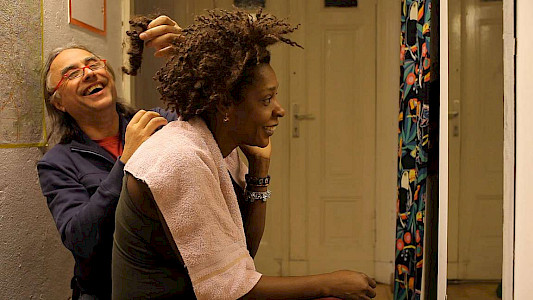
Lars Barthel asks his Jamaican wife Antoinette why she often wears hair extensions. This personal curiosity leads Lars and his film to some complex and politically-charged questions. What is the relationship between hair and racism? And where do the hair extensions actually come from?
get me some HAIR!
Germany, Austria 2017, 94 minby Christian Tod
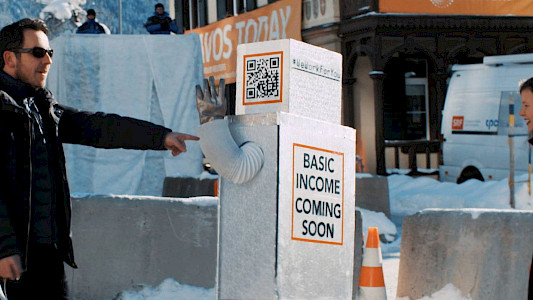
What would you do if your income were taken care of?Just a few years ago, an unconditional basic income was considered a pipe dream. Today, this utopia is more imaginable than ever before - intense discussions are taking place in all political and scientific camps.FREE LUNCH SOCIETY provides background information about this idea and searches for explanations, possibilities and experiences regarding its implementation.Globalization, automation, Donald Trump. The middle class is falling apart. On
Free Lunch Society – Come come basic income
2015, 90 minby Lars Barthel, Gabriele Denecke, Peter Kahane, Thomas Knauf, Ralf Marschalleck, Hannes Schönemann, Andreas Voigt
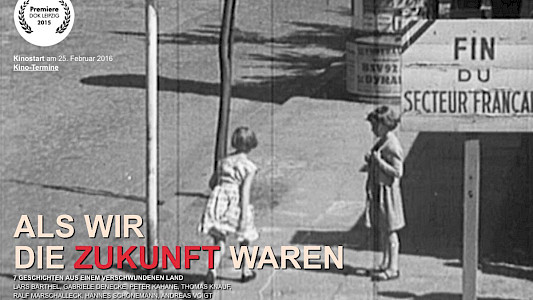
Gabriele Denecke, Lars Barthel, Peter Kahane, Thomas Knauf, Ralf Marschalleck, Hannes Schönemann und Andreas Voigt are the directors of this portmonteau (omnibus) film. They look back to their childhood and youth in the late fifties and sixties in the GDR. Some were fellow students at the Filmschool in Babelsberg or they met at work in DEFA Studios.For this film they re-nited once more. They looked through their private archives and recall everyday life in divided Berlin and East Germany. They n
When We were the Future
Germany 2013, 74 minby Helga Reidemeister
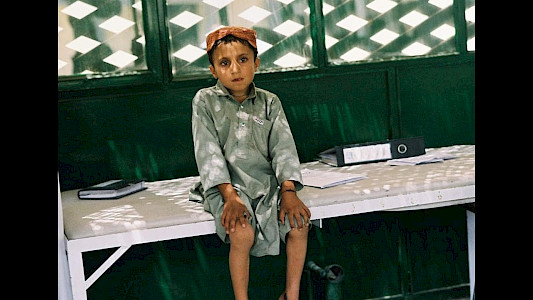
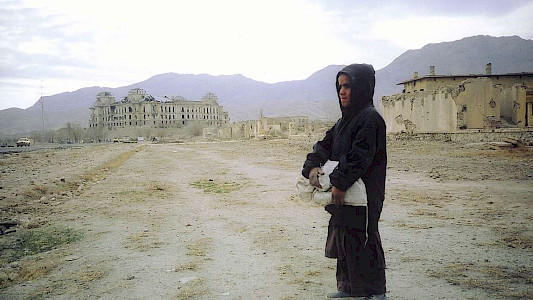
S H A T T E R E D AFGHANISTAN recounts, in fragments, stories of tender affinity and existential need. In Kabul’s National Museum, Afghan archeologists attempt to reassemble works of art that were shattered by the Taliban. Their attempts seem surreal. Street scenes of the destroyed city leave us confused, stuck between curiosity and horror. The misery of more than thirty years of war comes painfully alive. But there is a place of hope and assistance where our horror is displaced by a feeling o
SHATTERED AFGHANISTAN - How Can I Imagine Peace?
Germany 2010, 108 minby Joachim Tschirner (UM WELT FILM)
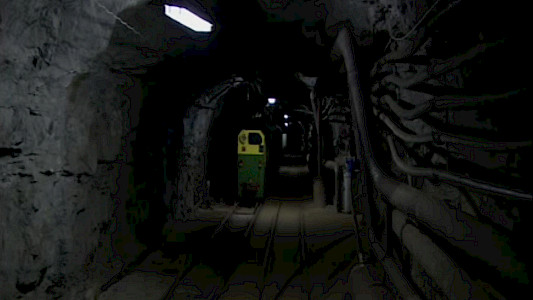
The film accompanies the biggest clean-up operation in the history of uranium mining and takes the viewers to the big mines in Namibia, Australia and Canada. Uranium mining, the first link in the chain of nuclear development, has managed again and again to keep itself out of the public eye. A web of propaganda, disinformation and lies covers its 65-year history. The third largest uranium mine in the world was located in the East German provinces of Saxony and Thuringia. Operating until the Reuni
YELLOW CAKE - THE DIRT BEHIND URANIUM
Germany 2009, 87 minby Marian Kiss
They were heroes of a special kind. They came from the steppes, the sons of farmers, of factory floor women. Salt-of-the-earth, strapping young men, model husbands, who believed in communism with all their hearts. Bright futures lay ahead of them. In the name of the Intercosmos Programme they were about to conquer space. One perfect specimen of manhood from every communist nation. First the Czechoslovakian, followed by a Pole, an East-German, a Bulgarian, a Hungarian, a Vietnamese, a Rumanian, a
SPACE SAILORS
Germany 2009, 87 minby Helga Reidemeister
Hossein and Shaima have loved each other since childhood. As teenagers they were separated by war. They meet again in Kabul in the 1990s. Poverty forces Hossein to fight in the war. A shell splinter leaves him a paraplegic. Shortly afterwards, Shaima is sold in marriage to a man 40 years her senior. Shaima, who is the man’s fourth wife, falls pregnant. But Shaima’s husband still owes half the dowry, and so her father brings her back into the constraining patriarchal fold of the family, where she
WAR AND LOVE IN KABUL
Germany 2008by Andrea Lammers
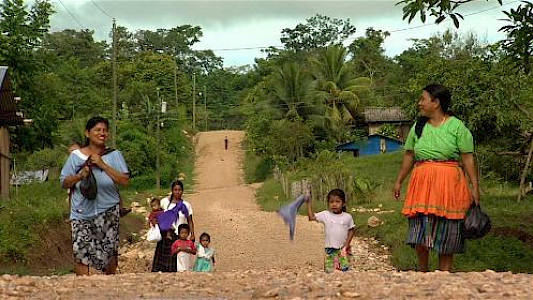
The sun rises fast here in Guatemala as the folks of "La Aurora - the Dawn of hope" prepare the first year anniversary of their community. Heavily armed soldiers enter the village, children come running. There had never seen such men in the refugee camps, where they grew up. Villagers gather, accuse the patrol of what the army did to their families a dozen of years before. And soon one of more than 600 massacres counted in this small country will take place, but also the beginning of something v
HALF WAY TO HEAVEN
Germany 2004, 93 minby Helga Reidemeister
Helga Reidemeister portrays four women from Afghanistan—Jamila Mujahed, India—Arundhati Roy, Serbia—Stasa Zajovic and the USA—Sissy Farenthold, who demonstrate their opposition to nationalism and war.In TEXAS—KABUL director Helga Reidemeister shows four committed women, who do not tolerate war and don’t want to be silent about it.A political road movie, a journey around the planet, searching for meaning in times of war, and a journey into the own past. The director, worried by the announcement o
TEXAS - KABUL
You can contribute updates for the current person (Lars Barthel).
Please enable JavaScript to access our website.