Germany 2011by Tamara Wyss
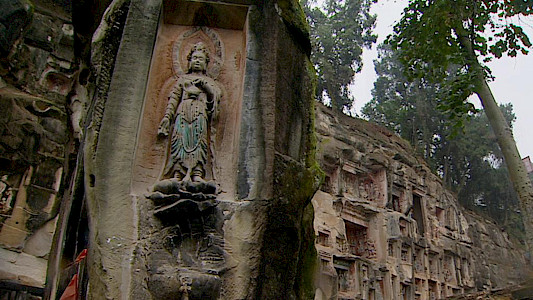
In the spring of 1914 a French archaeological expedition, led by the French poet and medical doctor Victor Segalen, entered the Province of Sichuan in order to do research on burial mounds of the Han era (206 BCE-220 CE) and early Chinese Buddhist iconography and epigraphy. Research in this realm still continues in Sichuan today, but the means and techniques of the archaeologists and art historians are more complex and advanced compared to those of a century ago. Segalen, who lived in China from
VICTOR SEGALEN – ON THE TRAIL OF BUDDHA
Germany 2010, 100 minby Dieter Schumann
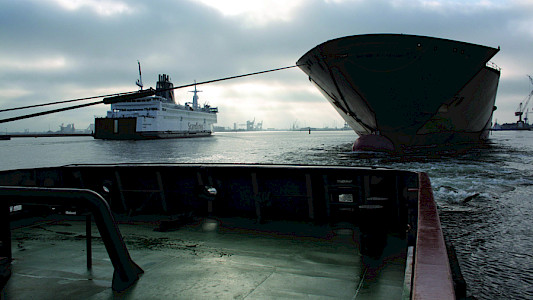
The film accompanies the Wadan employees throughout their 18-month struggle for the preservation of their shipyard. A film about the value of work in a globalized world. Wismar, 45,000 inhabitants. The income of every third family depends on the Wadan shipyard, the only major company in the region. In August 2008 a Russian investor takes over the old, traditional business and its future seems secured. But then the financial and economic crisis hits the Hanseatic City at its very centre: more tha
WADAN'S WORLD
Germany, Switzerland 2010, 52 minby Marc Burth, Marc Burth
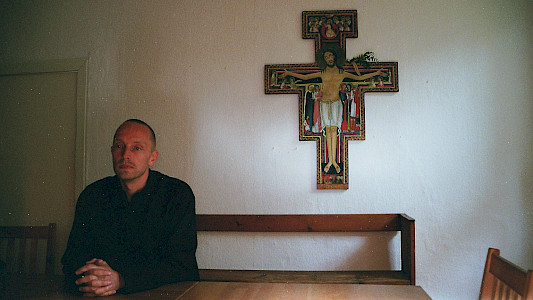
After becoming a father, Marc Burth has a problem: Two children and no fitting religion for them. His father is Protestant, his mother is Jewish, and his sister a shaman. His wife's dad is a Moslem; her mother, Catholic. Making the right choice for his children in this intersection of religions is a diffi- cult job for the confused filmmaker! Searching for answers, Marc Burth meets people that have a relationship with God and some that consciously don’t. He talks to atheists, shamans, Jesu
LOST IN RELIGION
Germany 2010, 208 minby André Rehse
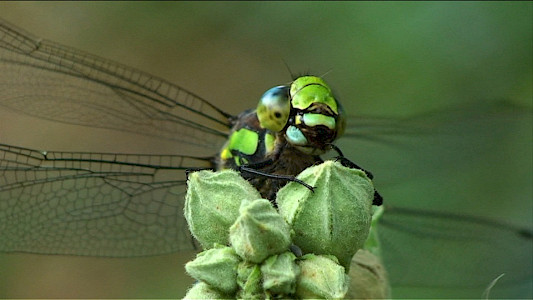
Humanity is facing huge challenges today: Climate change, ocean pollution and non-renewable energy sources are all pressing environmental problems. But nature provides some sustainable answers. The four-part series ‘Inspired by Nature’ deals with the selected biomimicry topics locomotion, construc- tion, apperception and processing. It shows how scientists analyse complex biological processes, how these results are applied to solutions of technical problems and finally evolve to everyday objects
INSPIRED BY NATURE
You can contribute updates for the current person (Kathrin Isberner).
Please enable JavaScript to access our website.