Austria, Germany 2022, 136 minby Sabine Derflinger
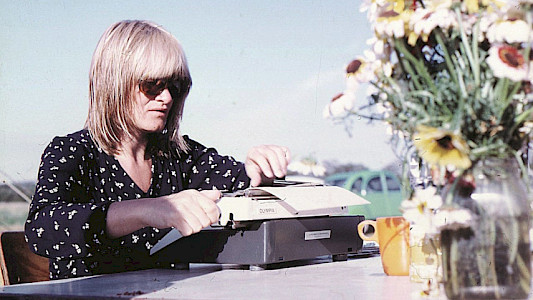
"Let's not get upset, let's do something!" Alice Schwarzer, Germany's most famous women's rights activist.Alice Schwarzer has always been a polarising force. As a popular figure on TV, she has divided married couples watching from their sofas across the German-speaking world and encouraged women to emancipate themselves. The film reveals a side to Schwarzer that goes beyond the influential feminist and journalist we know from her autobiography. with Alice Schwarzer, Elisabet Badinter, Anne Zelen
Alice Schwarzer
Germany 2022, 52 minby Daniela Schmidt-Langels
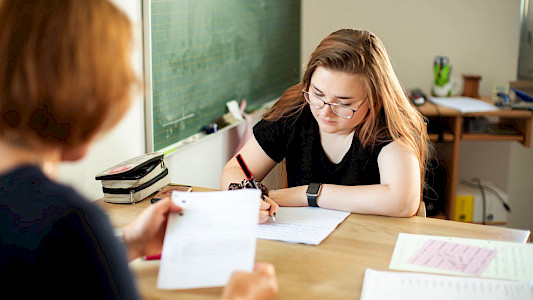
Many famous people, from Albert Einstein and Picasso to Steven Spielberg are known to be dyslexic. Hardly any aspect of school-based learning has been researched as extensively as dyslexia over the last 130 years. But researchers still have no clear idea of what causes the condition and how it can be treated. The film shines a spotlight on the difficult and psychologically challenging situation faced by people with dyslexia in everyday life in Germany, Great Britain and France. It looks at succe
Dyslexia
2019, 90 minby Natalia Preston
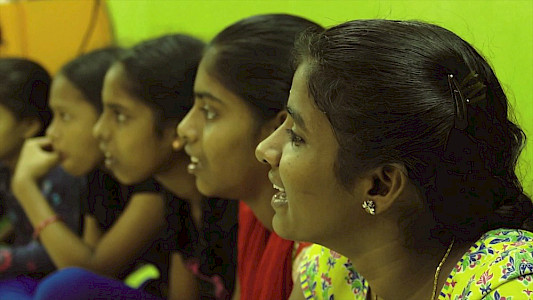
If love is a pill, and marriage an injection with big side effects, then what is the right prescription for girls' self-determination in India today?Set against the city of Chennai in India the film intimately observes the options and perspectives of young women at "Paadhai", a home for disadvantaged girls offering shelter, learning and self-empowerment. Highlighting their insights into their situations, marked by real-life pressures and societal norms, the film's narrative unfolds through a ser
Girls of Paadhai
Germany 2019, 84 minby Aysun Bademsoy
The National Socialist Underground murders in the early 2000s left scars. Not only among the relatives of the victims, but also in the migrant communities and the entire German society.TRACES follows these scars and poses the question of whether such injuries can ever heal completely.“Between September 2000 and April 2007, nine immigrant businessmen and a German policewoman were murdered. (…) I read the news about the murders and thought: That could have been my father or my brother.” We’re talk
Traces
You can contribute updates for the current person (Isabelle Casez).
Please enable JavaScript to access our website.