2024, 94 minby Paul Raatz
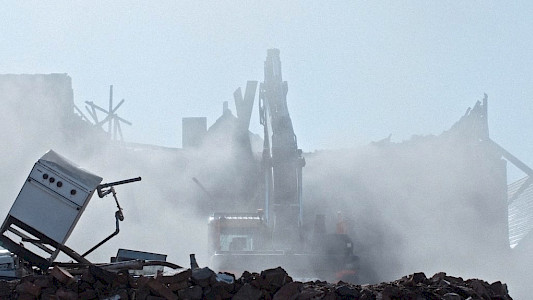
Demographic change hits the small town of Loitz [lø:ts] in Western Pomerania with full force. Since 1990, the once thriving community has lost a third of its population – by 2030, it will be half. A future-project led by the Berlin couple Annika and Rolando now aims to counteract the town's demise by creating a place for encounters. A group of music enthusiasts is also trying to see the vacancy as an opportunity and set up a festival. Does it need external impulses like these or has a decisive p
Infinite Place
2019, 73 minby Therese Koppe
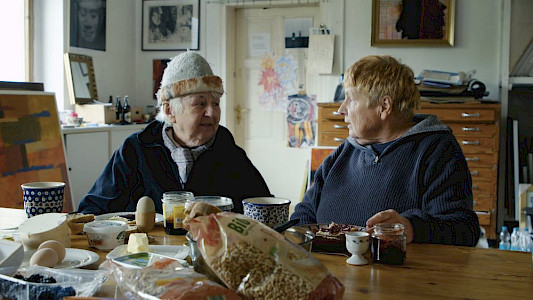
Erika and Tine are 81 and have been a couple for 40 years. The two women live on a farm in Brandenburg they restored themselves and look back on eventful lives. In the GDR they both had to fight for personal and artistic freedom and struggled daily with socialism, not to mention its actually existing contradictions. Unlike other GDR creative artists who cracked under the rejection of their art and ideas, they both take a humorous look back today at the manifold documents of their lives, contextu
A Quiet Resistance
You can contribute updates for the current person (Irma Heinig).
Bitte aktivieren Sie Javascript, um auf unsere Website zugreifen zu können.