Germany 2011by Bettina Borgfeld, David Bernet
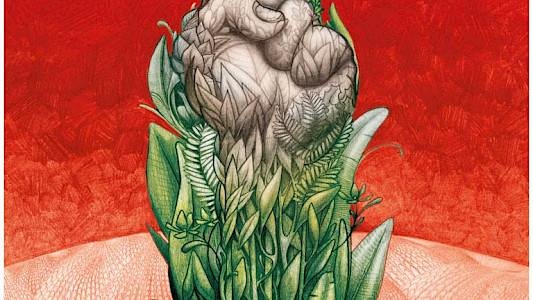
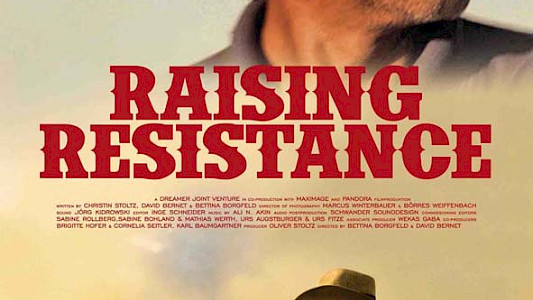
The ground in Paraguay is perfect for the cultivation of soy. In recent years, countless acres of forest have been chopped down to make room for the growing of this protein-rich bean. The land of a farmer named Geronimo is now completely surrounded by soy plantations. These are generously sprayed with pesticides - poison that only the genetically modified soy plants are immune to. Unfortunately, the pesticides spread farther than the boundaries of the soy fields. So not only is there less and le
Raising Resistance
Germany 2011, 85 minby Diana Näcke
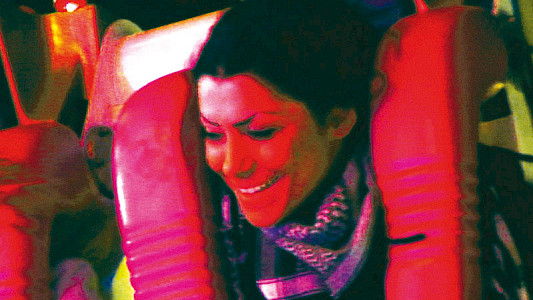
Kuebra is an infestation. As the only female intensive delinquent in Berlin, the most serious category of juvenile offenders within the local youth prison regime, she has been plagued and hated since the age of 14. But in reality she just longs to be an ordinary girl, a girl that someone will care of, and hold her in their arms. She will take us on a journey into her past, to a place where she has grown up and knows like no other: the woman’s prison in Berlin where she served for almost four a
My Freedom, Your Freedom
Germany, Switzerland 2011by Bettina Borgfeld, David Bernet
Germany 2008by Cosima Lange
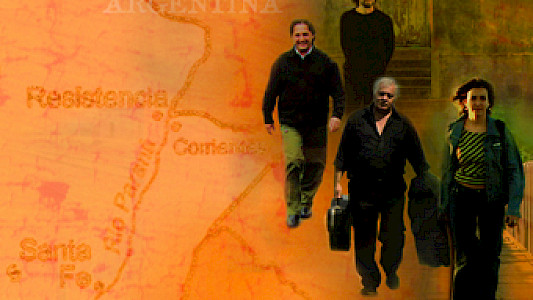
CHAMAME MUSIC, PEOPLE, POETRY introduces a popular Argentinean style of world music and four artists whose lives revolve around it. You will meet Gicela Mendez Ribeiro, a rising young singer; Alberto Bofill, self-declared ambassador of the Chamame tradition; bandleader Monchito Merlo, who represents a widely popular style; as well as the international award-winning accordionist Chango Spasiuk. While they couldn't be more different, Chamama to each one is much more than just music. It represents
CHAMAMÉ – MUSIC, PEOPLE, POETRY
Germany 2004, 108 minby Andres Veiel
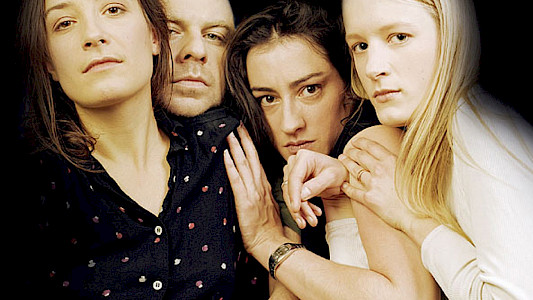
Four acting students are the focus of Andres Veiel’s long-term observational documentary. We meet Stephanie, Karina, Constanza and Prodromos while they are preparing for their acting school auditions. The selection procedure takes months; it is a trying, nerve-racking time spent vacillating between hope and anxiety. All four make it into the school, but their initial euphoria about commencing their studies – including group exercises, role play and obligatory fencing lessons
Die Spielwütigen - Addicted To Acting
Germany 1999by Julia M. Novak, Natalie Kreisz
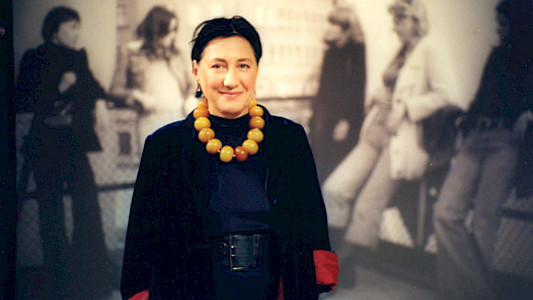
From the point of view of a younger generation we asked five filmmakers, Jutta Brückner, Helke Sander, Helga Reidemeister, Ula Stöckl and Regine Kühn about their experiences as women in the filmbusiness. The interviews took place in a slide installation which allowed to step into the ‘filmworld’ of each woman and have a conversation in front of the stills we’ve chosen. Parts of the interviews are assembled with excerpts from the films which not only illustrate but also comment on the women’s sta
ZWISCHEN LUST UND LAST - Fünf Frauen und ihre Filme
You can contribute updates for the current person (Inge Schneider).
Please enable JavaScript to access our website.