Germany 2024, 52 minby Herbert Ostwald
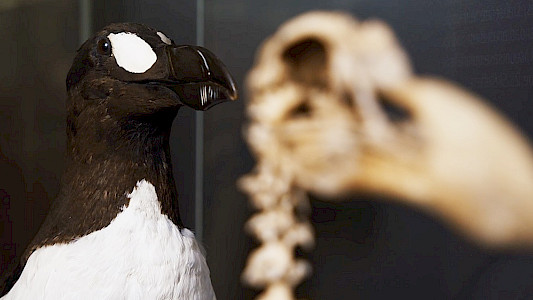
Up to 150 species are disappearing every day. Species extinction could be even more decisive for the survival of humankind than climate change. But what was once considered science fiction is no longer out of the question. We accompany ambitious scientists worldwide in their attempts to revive extinct animals or to give those on the brink of extinction a new chance using state-of-the-art genetic engineering. What is driving the human ambition to bring back extinct species? Should it be allowed o
De-extinction – Species Protection 2.0?
Germany 2023, 52 minby Herbert Ostwald
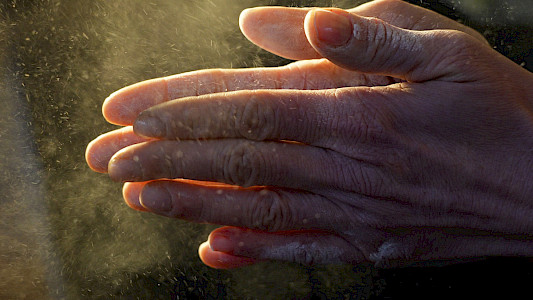
With 27 bones each, our hands are an anatomical marvel. We can write and create things with them; thanks to their fine motor skills, hands are a perfect multifunctional tool.The film follows children in the difficult process of learning to write, observes an experienced pianist in her fine-motor performance and shows how our lives are literally in our hands: Bouldering. What happens in the hands and in the brain in milliseconds?
The Remarkable Hand: From Touch to Triumph
2021, 156 minby Herbert Ostwald
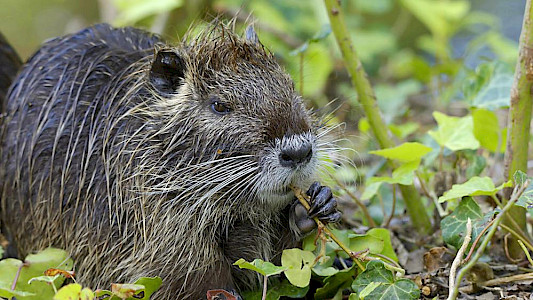
Ostrich-sized rheas tramp on shoots of fields in Northern Germany. Flocks of bright green parrots screech along Cologne Cathedral. And beaver-like nutrias with orange teeth gnaw on Dutch dikes. All these animal nags are alien and are suspected of causing ecological and economic damage. Do the invaders have to be fought? Or is it just prejudice against hitherto unknown species?This small series of three films gets to the bottom of the accusations against alien species. For this purpose, the immig
We Came to Stay - Our Alien Animal Neighbours
2018, 104 minby Herbert Ostwald, Steffen Sailer
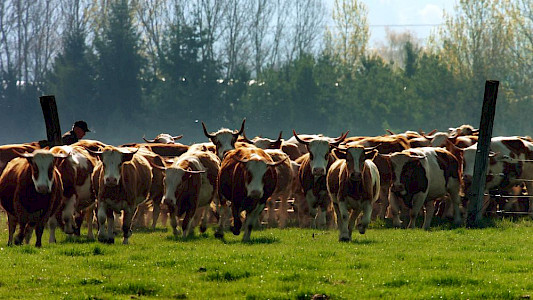
Most people think they know everything about cows: They stand around in fields. They eat grass, moo every now and then and of course they give milk. They are the archetypal symbols of a rural scene, of everlasting tranquility. But cows are much more than that. Cows are generally held to be peaceful and a bit stupid. However, that's actually a big misunderstanding. Because cows have personalities, they are sensitive, able to learn and socially oriented, but also quite able to defend themselves. I
The Secret Life of Cows
Germany 2015, 52 minby Herbert Ostwald
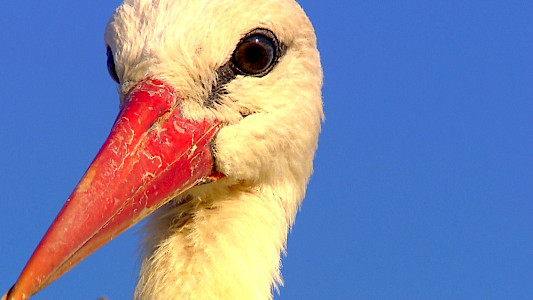
Widely known as heralds of good luck and happiness, storks are very popular animals. This is especially true for Ruehstaedt, a tiny picturesque village in Germany. Every year the rooftops here are home for up to 40 pairs of White Stork, which in turn attract about 30.000 visitors per year to the remote village.For one breeding season the film portrays the fascinating coexistence of man and storks in Ruehstaedt.
Storks - A Village Rooftop Saga
Germany 2011, 52 minby Herbert Ostwald
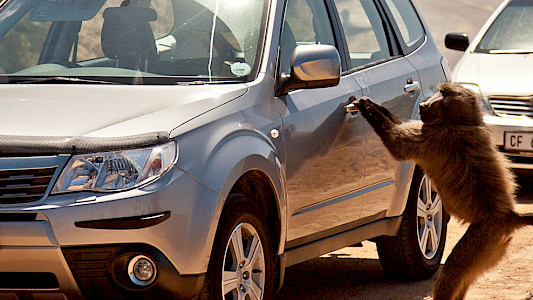
They steal handbags, open cars and have no respect for humans. The last baboons of the Table Mountain region have become a real plague. The resident population is split into sympathetic protectors and fierce opponents. The animals are deliberately run over by cars, shot and poisoned. According to scientists the baboons have to relearn that humans are a threat in order to survive. Thus a special force has been recruited from the townships: the „Baboon Police“. Day and night the „offi
BABOON BANDITS - Monkey Alert in South Africa
Germany 2009, 43 minby Herbert Ostwald
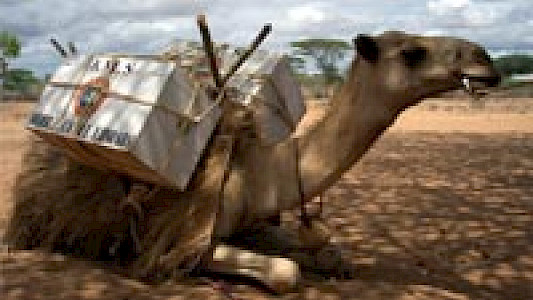
A library on four legs – the worlds only existing Camel Library is located in Northern Kenya. As they pass antelopes and giraffes, the heavily loaded caravan of camels are routinely carrying books through the rough savannah. In the villages with their houses of mud and dung these tenacious desert ships are wishfully awaited by the people of the nomadic Muslim tribes. Under the shade of acacia trees, especially the children are excitedly turning pages of school books, novels and comics. However,
CARAVANE OF THE BOOKS - Kenya's Camel Library
You can contribute updates for the current person (Herbert Ostwald).
Bitte aktivieren Sie Javascript, um auf unsere Website zugreifen zu können.