Germany 2024, 24 minby Rebecca Blöcher
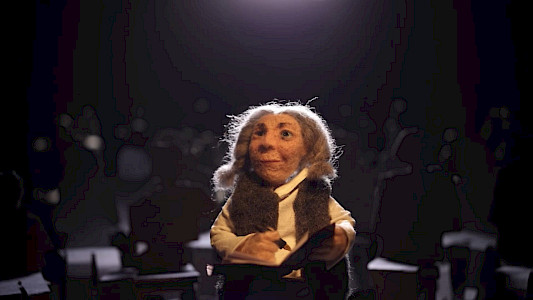
My mother has led a very unorthodox life, which has taken her both to palaces and under bridges. She lived in her small car for over 10 years until she could no longer walk and the car gave up right after that. [Rebecca Blöcher]The mother of animation director Rebecca Blöcher didn’t want to live an ordinary life. She wanted 'something more,' she explains in this stop-motion film. The people around her didn’t understand—in a letter written in 1968, a girlfriend criticizes her for going out on her
Mama Micra
Germany 2020, 81 minby Valentin Riedl
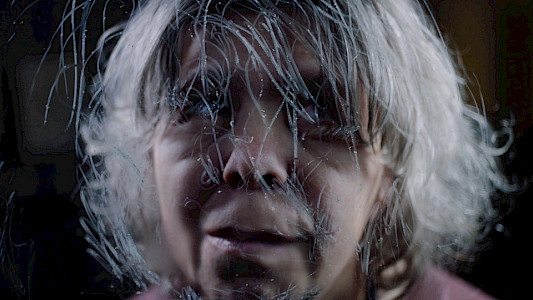
Carlotta cannot recognize faces, not even her own. For her, human faces are no bastion of trust, but places of fear and confusion. She is one of the 1% of all people whose part of the brain responsible for facial recognition does not work properly. With his film LOST IN FACE, neuroscientist Valentin Riedl travels through Carlotta’s universe, full of anthropomorphic animals, lucid dreams and bumpy false paths. He peels back her charming, idiosyncratic solutions that she employs to be able to join
Lost in Face
2020, 5 minby Frederic Schuld
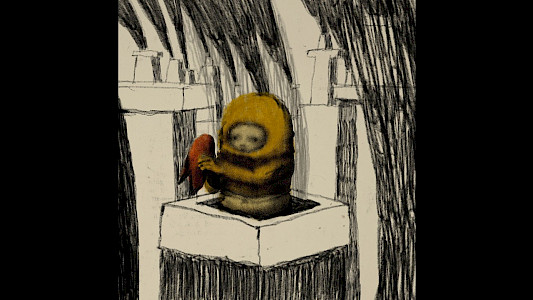
A British chimney sweeper describes his everyday routine of forcing young kids to become workers. While we observe a kid cleaning a chimney, the master's statement gets more personal with every sentence until we understand, that he is speaking about his own past. Being locked in a vicious circle there seems to be no exit."Based on a meticulously detailed letter, the hard-knock lives of young 19th century chimney sweeps are uncovered in this exquisite animation, which masterfully articulates the
The Chimney Swift
Germany 2018, 5 minby Valentin Riedl, Frederic Schuld
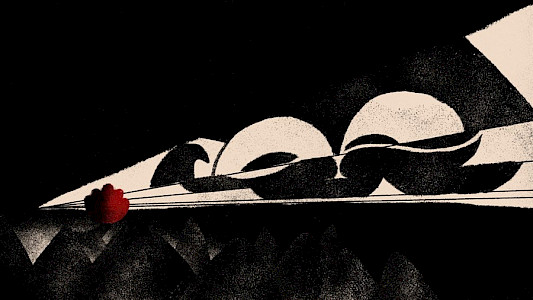
When Carlotta looks in the mirror, she doesn't recognize the image reflected back at her. This beautifully animated portrait explores the confusion that face blindness causes for a young child trying to make sense of her world, and ultimately, how this rare neurological condition gave Carlotta the gift of artistic expression. (hotDOCS, Eileen Arandiga)
Carlotta's Face
You can contribute updates for the current person (Frederic Schuld).
Please enable JavaScript to access our website.