Germany 2017, 90 minby Reto Caduff, Stephan Plank
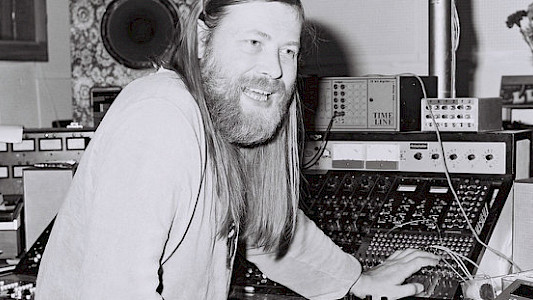
Konrad ’Conny‘ Plank is undoubtedly one of the most innovative sound designers of his time. The recordings realized in his sound studio near Cologne between the 60s and 80s, revolutionized the music world. He was the pioneer of ’Krautrock‘ and paved the way for the revolutions of electronic and pop music respectively. Bands and artists who were fathered by the sound wizard (mostly before they became world famous) all agree that their careers would have been different without the talents of Conny
CONNY PLANK - The Potential of Noise
Germany 2014, 90 minby Annekatrin Hendel
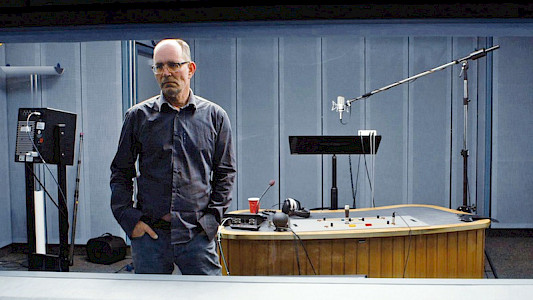
He was the charismatic pop star of East Berlin’s oppositional literary scene in Prenzlauer Berg in the eighties, a close acquaintance of Christa Wolf, Franz Fühmann and Heiner Müller. He was also a zealous informer working for the GDR’s secret police: Sascha Anderson, born 1953. Twenty years on, the pain he inflicted on friends and colleagues is as deep-seated as ever and the finely woven web of lies, half-truths and legends he unfurled around him still raises tempers. Annekatrin Hendel sits S
ANDERSON
Germany, Switzerland 2010, 52 minby Marc Burth, Marc Burth
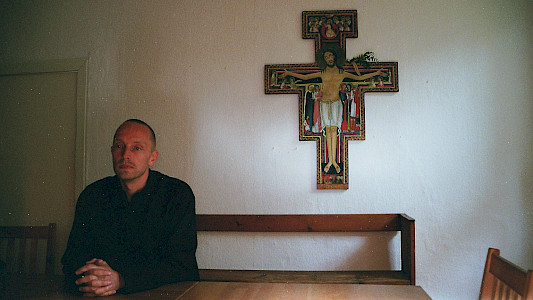
After becoming a father, Marc Burth has a problem: Two children and no fitting religion for them. His father is Protestant, his mother is Jewish, and his sister a shaman. His wife's dad is a Moslem; her mother, Catholic. Making the right choice for his children in this intersection of religions is a diffi- cult job for the confused filmmaker! Searching for answers, Marc Burth meets people that have a relationship with God and some that consciously don’t. He talks to atheists, shamans, Jesu
LOST IN RELIGION
You can contribute updates for the current person (Frank Griebe).
Bitte aktivieren Sie Javascript, um auf unsere Website zugreifen zu können.