Democratic Republic of the Congo, Belgien, Germany 2024, 95 minby Nelson Makengo
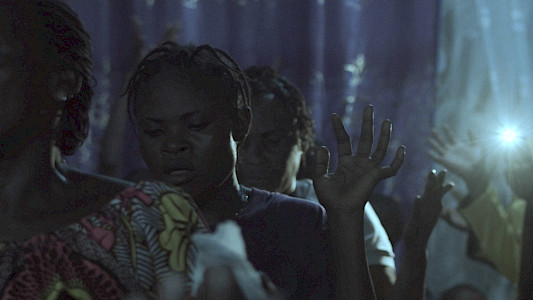
Kinshasa, the capital of 17 million people, is plunged into darkness and insecurity, and its inhabitants are struggling to gain access to light. In a relentless quest, Kudi mobilizes the people of his neighborhood to buy a stolen cable in order to restore electricity in time for the end- of-year festivities. The committee gathers a group of mostly women and goes door-to-door to pay for the cable in the Kisenso neighborhood. At Christmas, Kudi turns into Santa Claus. Flashes of light and hope ani
Tongo Saa – Rising up at Night
2023, 95 minby Maria Binder
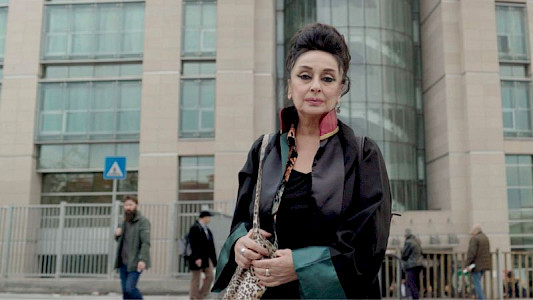
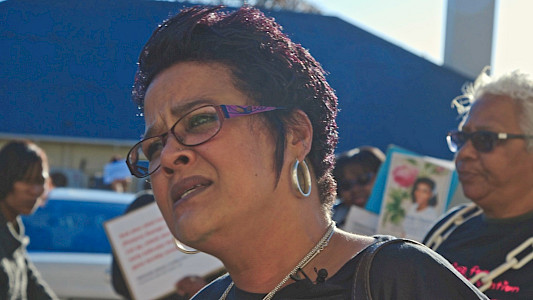
EREN portrays a woman who has been fighting for fundamental rights and peace in Turkey for more than 30 years. As a lawyer and human rights defender, Eren Keskin is one of the main actors and plaintiffs for women's, LGBTIQ and minority rights, opposing torture and sexualized violence. Her strong sense of justice knows no taboos, shaking even the foundations of the Turkish state. Now she has been designated an enemy of the state and has to defend herself. She faces a life sentence in more than a
Eren
2022, 102 minby Katy Lena Ndiaye
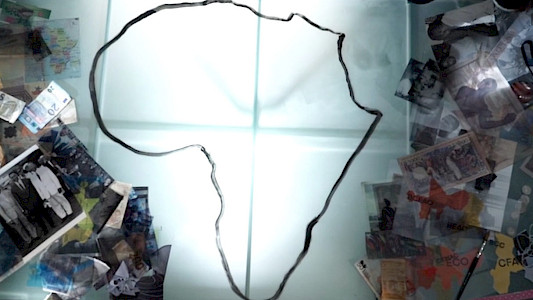
1960 marked the end of the colonial empires across the African continent. France disappeared from the map, leaving behind the CFA Franc, a colonial creation, which is the name of the currency that still circulates in almost all of its former territories south of the Sahara. How does it come, those countries, once they regained their freedom, never denounced this strange legacy? The film delves into a little-known story that started in the 19th century and continues to the present time.
Money, Freedom, A History of the CFA Franc
Germany 2022, 96 minby Cem Kaya
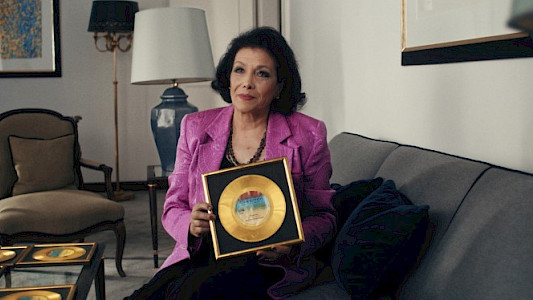
The German Federal Republic’s 1961 recruitment agreement with Turkey not only brought Gastarbeiter (guest workers) to Germany but also their music. Cem Kaya’s dense documentary film essay is a tutorial in Turkish-German recent history that tells a tale of assembly line jobs, homesickness and family reunification, the bazaar in the elevated railway station at Berlin’s Bülowstraße, xenophobia and racism, the wistful songs of the early years and the hip-hop of the post-reunification period. These a
Love, Deutschmarks and Death
2022, 85 minby Brenda Akele Jorde
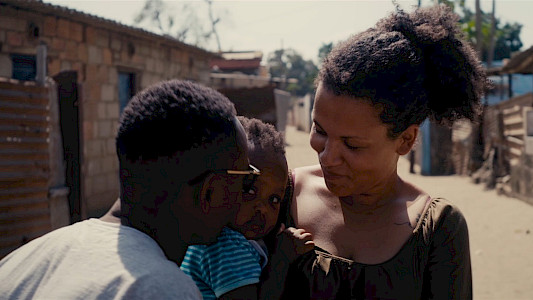
THE HOMES WE CARRY portraits a family torn apart by the turmoil of world history between Germany, Mozambique and South Africa. At the center is the Afro-German mother Sarah. She wants her little daughter to have the relationships she lacked as a child. Therefore she travels with her to Africa, where her own father and the child's father are waiting for her. Meanwhile, Sarah's father Eulidio remembers the almost forgotten history of the Mozambican contract workers in East Germany. [Film Five GmH]
The Homes We Carry
2022, 77 minby Julia Jaki
Koekie, Fluksie, Zana and Jo-Marie live together in a safehouse in Bredasdorp, South Africa. The small community has been shaken by a series of rapes and murders of women. Social worker Lana O'Neill felt compelled to create a safe place for the most vulnerable women in town. Her activities range widely, from picking up addicts under a bridge to negotiating funding with the deputy mayor. Following Lana, we see how poverty, addiction and sexual violence wreak havoc on the lives of the women in Bre
Dorpie
2022, 92 minby Markus CM Schmidt
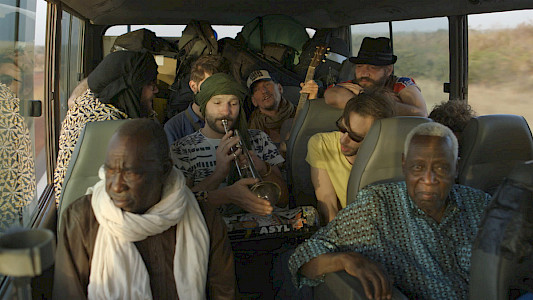
Popular music has its roots in West Africa, and especially in Mali. In Berlin, a bigband discovers old vinyls from the Malian Bigband era, music which embodied the hope for Malian independence before a coup brought an end to the legendary brass sections. Inspired by these songs, the Berliners travel to Mali to find the heroes of their vinyl-collection. There they research the origins of the songs, marvel at old archive footage and bring back the lost brass sections to play with forgotten Malian
Le Mali 70
2021, 113 minby Jide Tom Akinleminu
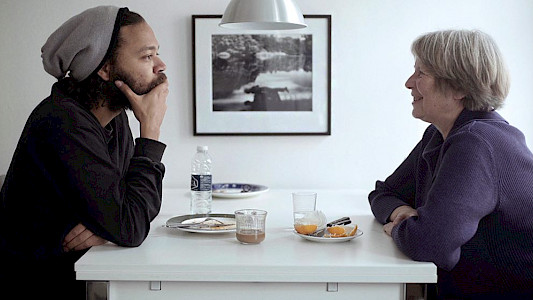
A tale about my mother and brothers from other mothers.A reflection on his parents assumed monogamous long distance marriage as well as his own Nigerian background and identity. He thereafter accidentally discovers his father‘s secret; a second family throughout the last 30 years. This revelation sends the filmmaker on a new quest, now focusing on his retired Danish mother and his newly acquainted younger Nigerian half brother. When a farm goes aflame is set in the aftermath of a lifetime of s
When a farm goes aflame
2014, 93 minby Katharina Von Schroeder (kvschroeder), Florian Schewe
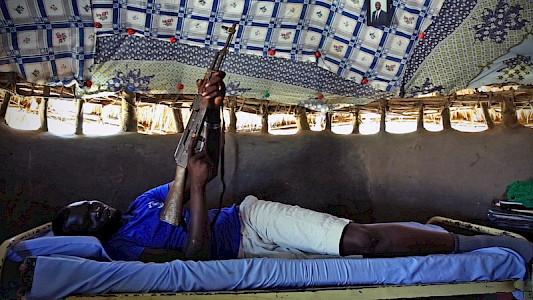
The documentary film WE WERE REBELS tells the story of Agel, a former child soldier who returns to South Sudan to help build up his country. The film accompanies him over a period of two years – from South Sudan gaining its independence in 2011 to the renewed outbreak of civil war in December 2013. As captain of the national basketball team of South Sudan – the youngest country in the world – Agel coaches the team through their very first international match against Uganda. The conflicts within
WE WERE REBELS
Germany 2009, 98 minby Insa Onken
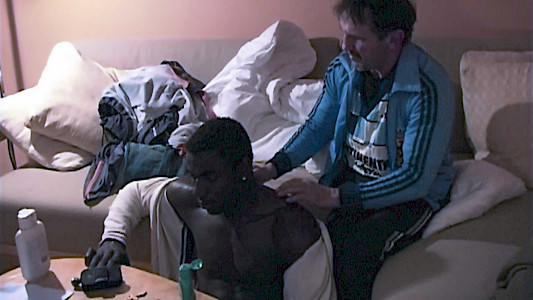
Ben, a young Cameroonian, is sent to Germany by his family to get to know success. Torn between his wish to rise up to his family's expectations and the limited possibilities Germany offers him, he cleaves through Berlin's shady boxing business, dreaming of rejoining his family as a world champion one day. The thoughts about his family, their permanent presence in his mind won't let Ben find any rest. He relentlessly tries neither to lose his family's respect nor his own dignity, while being sp
RICH BROTHER
You can contribute updates for the current person (Florian Schewe).
Bitte aktivieren Sie Javascript, um auf unsere Website zugreifen zu können.