2019, 80 minby Michel K. Zongo
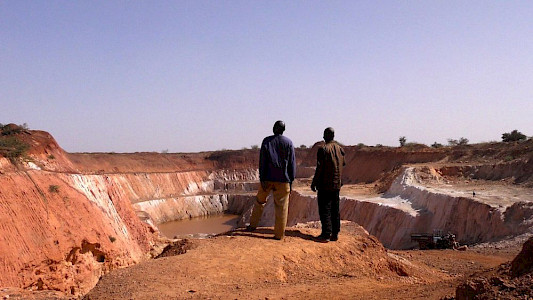
When the government of Burkina Faso starts to issue mining permits in 2000, gold fever strikes. In 2008, a British mining company starts the first open-pit mine in Kalsaka, digging away the soil that's vital to the villagers’ lives.It's not long before the first kilogram of gold has been mined, from a reserve of at least 18 metric tons. The people of Kalsaka are promised mountains of gold: jobs for the villagers, scholarships for their children, money for the government coffers, and development
No Gold for Kalsaka
2017, 91 minby Judith Keil, Antje Kruska
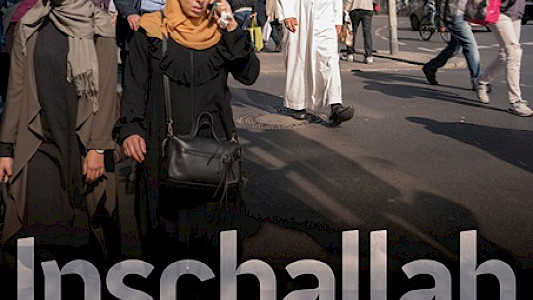
Der Film begleitet den Imam bei seiner täglichen Arbeit, in der er für Familienprobleme Rat geben soll und zugleich Stellung beziehen zu politischen Fragen der Öffentlichkeit. Dabei führt er ein offenes Haus, indem er immer wieder zu Diskussionen einlädt. Während er in seiner muslimischen Gemeinde oft gegen eine zu strenge Auslegung der Religion ankämpft, steht er in der deutschen Öffentlichkeit unter Verdacht, zu konservativ, wenn nicht sogar radikal zu sein."Dabei entwickelt der Film eine stim
INSCHALLAH
You can contribute updates for the current person (Dominik Avenwedde).
Bitte aktivieren Sie Javascript, um auf unsere Website zugreifen zu können.