2016, 85 minby Dieter Schumann
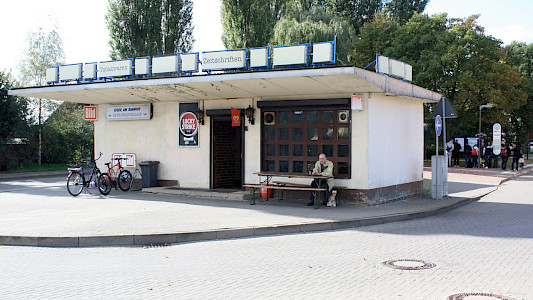
Boizenburg is a small town in Mecklenburg-West Pomerania, in the northeast of Germany. The small kiosk close to the local railway station runs from 5:00am until 10:00pm and hosts all sorts of guests: workers from the nearby slaughterhouse, the unemployed, the local taxi driver, retirees, a single mom. In late 2015 thousands of refugees arrive at the station on their way to the reception camp outside the city. The kiosk guests who normally just drink their beer and watch soccer begin to discuss p
Off the Tracks
Germany 2010, 100 minby Dieter Schumann
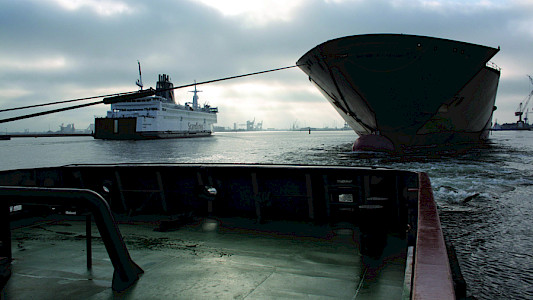
The film accompanies the Wadan employees throughout their 18-month struggle for the preservation of their shipyard. A film about the value of work in a globalized world. Wismar, 45,000 inhabitants. The income of every third family depends on the Wadan shipyard, the only major company in the region. In August 2008 a Russian investor takes over the old, traditional business and its future seems secured. But then the financial and economic crisis hits the Hanseatic City at its very centre: more tha
WADAN'S WORLD
Germany 2008by Dieter Schumann
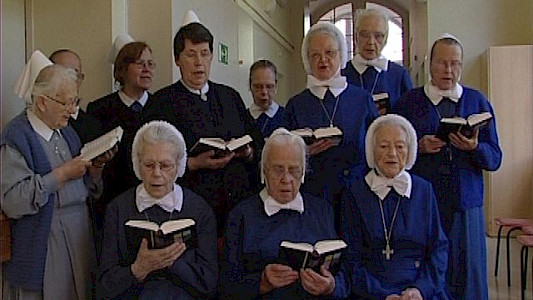
For several decades the Hospital of the Bethlehem monastery in Ludwigslust has enjoyed an exceptional reputation throughout Mecklenburg, thanks to the dedicated activity of the deaconesses who have served here since its foundation by Helene von Bülow 150 years ago. With entry into the monastery and their confirmation as deaconesses the women devote themselves to celibacy and a life without possessions in order to attend entirely to children and the sick and their big family in the deaconal commu
THE WOMEN OF GOD - The last deaconesses of Mecklenburg
Germany 1990, 83 minby Johann Feindt, Jeanine Meerapfel, Helga Reidemeister, Dieter Schumann, Tamara Trampe
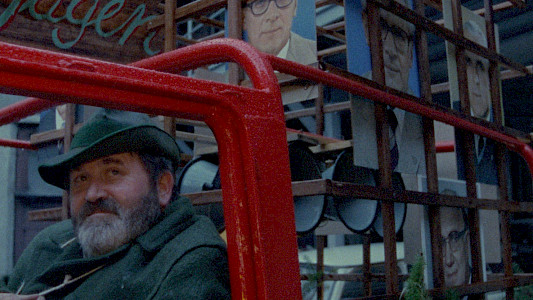
Rhine wine in Saxony! It is being served at an information stand set up by West Germany’s Christian Democratic Union party (CDU) just before the first and only free elections to East Germany’s People’s Assembly; the ballot will give the CDU almost 41% of the vote. But while the East Germans appear entirely sober about it all despite the sweet swill on offer, during the election campaign in February/March of 1990 the West Germans seem drunk on the new order. “Socialism is
In the Splendour of Happiness
You can contribute updates for the current person (Dieter Schumann).
Bitte aktivieren Sie Javascript, um auf unsere Website zugreifen zu können.