Germany 2017, 60 minby Dieter Reifarth (strandfilm)
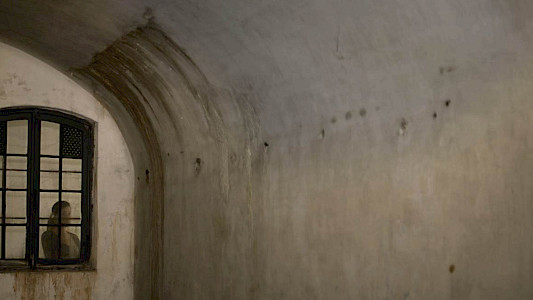
“Torture is the most excruciating event, a human being can keep inside himself. But the like of it is retained in many human beings. Whoever has succumbed to torture can no longer feel at home in the world. There is no way of ‘suppressing’ it. Does one suppress a firemark? One may have it removed by a plastic surgeon, but the skin grafted to this spot is not the skin to feel comfortable with.” Jean Améry speaks in behalf of all those imprisoned life-long inside the silentness and the stupor of their traumata. The victims of then and now. “Under torture there are howls of pain. Maybe right now, in this very second.” ... With Améry’s voice reading his essential text a documentary film-essay devolps – between present age and museificated – retrospection, far from fictionalization.
Torture
Germany 2013, 116 minby Dieter Reifarth (strandfilm)
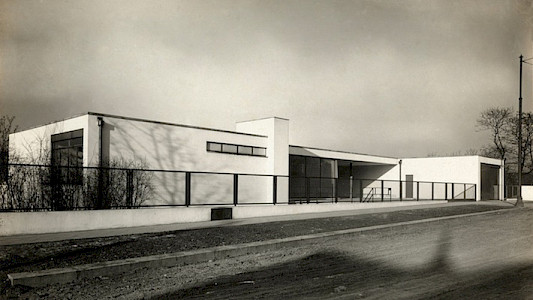
The Tugendhat House (1928/30) in Brno, Czech Republic, is a solitaire of modern architecture. It represents the social utopian aspiration of the architect Mies van der Rohe and the open-minded upper-class life design of his clients Grete and Fritz Tugendhat. The film tells the changeful story of the unique building and its inhabitants: of the spirit of optimism in the prosperous Western Moravia between the world wars, the occupation by Nazi Germany, the forced displacement and emigration of the Tugendhat family to Switzerland and Venezuela, of the first postwar years when the house was used as a rhythmics and ballet school and of the decades afterwards. In the late forties the former magnate's house became a therapy centre and then a school for children suffering from scoliosis. During the communist era the house was a social biotope, an island inmidst a not very disabled-friendly world. After the "Velvet Revolution" Václav Klaus and Vladimír Mečiar negotiated the secession of Czechoslovakia in the Tugendhat House and announced that there will be two separate states beginning with January 1993. Because of its universal importance as an architectonic masterpiece the house receives the status of UNESCO World Cultural Heritage in 2001. Our film is about avant-gardists and marauders, philanthropists and bureaucrats, visionaries and apparatchiks, about injustice, indifference, misappropriation, demolition and conservation, about small victories and big defeats. One learns of great expectations and disappointed hopes in a complicated process between restitution and renunciation, appropriation and dispossession, which says little about give-and-take but a lot about the grim history of the 20th century. We tell of the contradictions between artistic utopia and political disasters, the interconnection of public life and privacy, history of architecture and family history, the interplay of remembrance and oblivion, of powerlessness and time...
THE TUGENDHAT HOUSE
Bitte aktivieren Sie Javascript, um auf unsere Website zugreifen zu können.