2025, 14 minby Daniel Asadi Faezi, Mila Zhluktenko
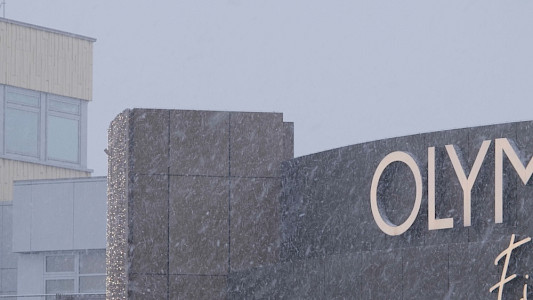
In 1970, an entire small town was built in Munich for the Summer Olympics. In addition to the subway station, stadium, indoor swimming pool and housing estate, the largest shopping center in Europe at the time - the Olympia-Einkaufszentrum - was also built. Many migrant workers, so-called guest workers, are employed on the construction site. 2016: Nine people are murdered in a right-wing terrorist attack at the Olympia shopping center. All the victims come from families with migrant backgrounds.
In Retrospect
Germany 2024, 82 minby Narges Kalhor
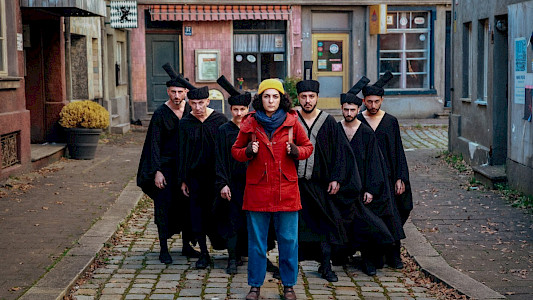
SHAHID is a political drama and a desperate comedy at the same time. It is about historical heroes, today's criminals and how modern women deal with them. A story by and about migrants in Germany and from afar. SHAHID is a personal film that questions all kinds of radical ideologies – and doesn't always take itself too seriously.
Shahid
2023, 18 minby Mila Zhluktenko, Daniel Asadi Faezi
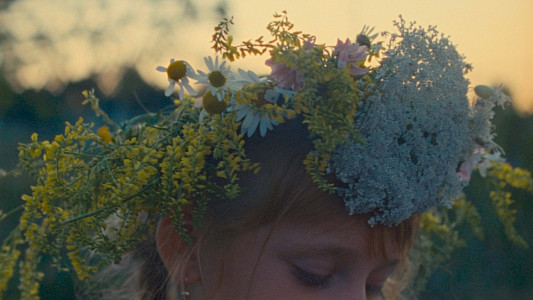
A former military barracks of the Wehrmacht now serves as a refugee camp for people from Ukraine.WAKING UP IN SILENCE accompanies the children on their journey, where their own history meets that of the barracks. A moment between past and future, war and silence, departure and arrival, which depicts a portrait of German history and its present through the eyes of its young protagonists."We would like to give the prize to a film that offers a tender glimpse into the daily rhythms of a dislocated
Waking Up in Silence
Uzbekistan, Germany 2022, 14 minby Daniel Asadi Faezi, Mila Zhluktenko
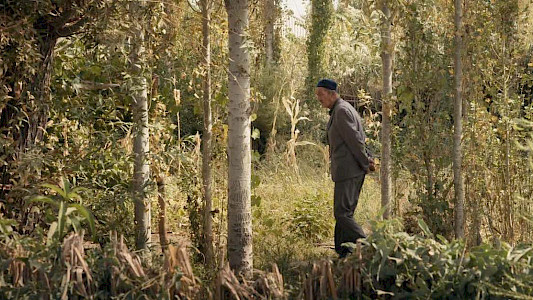
A desert landscape, as if from another planet. A few lonely, rusty shipwrecks. Low desert scrub grows around them to hold the sand together during the merciless storms. Aralkum, the Aral Desert, is the bare seabed, the last thing left of the Aral Sea.By weaving together different cinematic textures, the short film ARALKUM re-imagines the dried-up Aral Sea, allowing an old fisherman to set sail one last time.'The shortfilm prize goes to a film that opens a door on a landscape swept by human exces
ARALKUM
2019, 24 minby Mila Zhluktenko
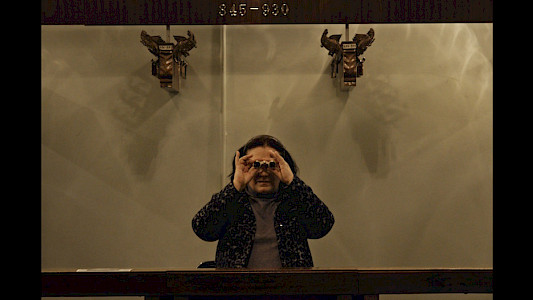
Opera glasses are necessary to watch the stage from the back rows of the auditorium. If you content yourself with the foyer, you only need alert eyes and instinct: not only for the larger-than-life gestures of musical theatre, but also for the small (self) performances in public space. Checking oneself in the mirror, overzealous re-adjustments of one’s facial expression for a selfie, the inimitable coolness of aging cloakroom attendants – all this is part of the spectacle of visibility. (DOK. Le
Opera Glasses
2019, 8 minby Daniel Asadi Faezi
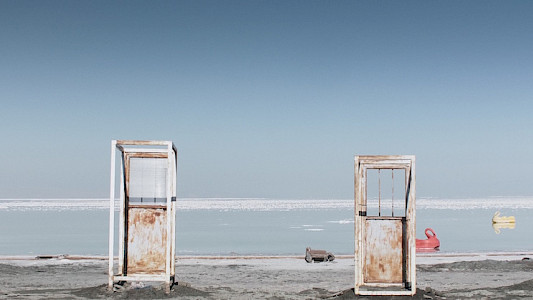
The dried tears of Lake Urmia in northern Iran are for sale – salt in plastic bags at the roadside. Once the biggest lake in the Middle East, only a fraction of it is left today. This is its elegy, presenting both its former splendour and its state today. Wavering between factuality and melancholy, the film finally opts for a pessimistic view of society. The dying lake becomes a symbol. (DOK Leipzig, Carolin Weidner)Jury Statement Innsbruck Nature FF:“A love poem, a love song to a place that dis
where we used to swim
You can contribute updates for the current person (Daniel Asadi Faezi).
Bitte aktivieren Sie Javascript, um auf unsere Website zugreifen zu können.