Germany 2023, 101 minby Isa Willinger
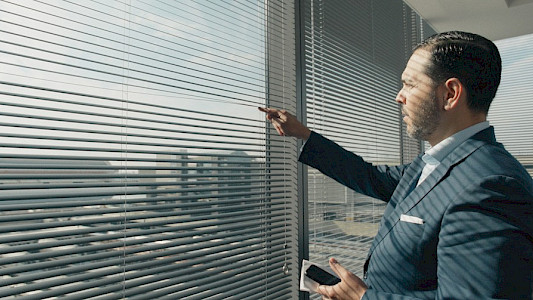
The global plastic crisis is dismantled and reassembled in a well-researched, cinematic film that not only points to the problems, but also to possible solutions. Probably the most important climate film of the year, with an attentive eye on greenwashing and climate racism. (CPH:DOX)There are 500 times more plastic particles in the world’s oceans than there are stars in our galaxy. Plastic is in the oceans, rivers, air, soil and inside ourselves. And the plastics industry is planning to expand t
Plastic Fantastic
Germany 2019, 93 minby Halina Dyrschka
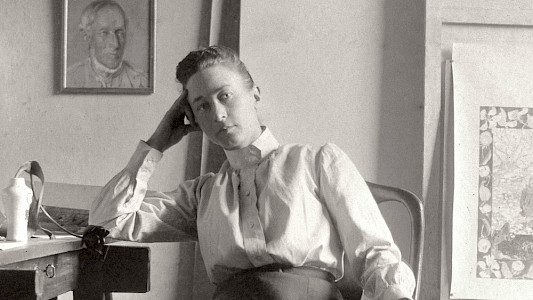
How can an artist discover abstraction by the beginning of the 20th century and nobody is noticing? A woman, misjudged and concealed, rocks the art world with her mind-blowing oeuvre. Hilma af Klint was a pioneer creating her first abstract painting in 1906, four years before Vassily Kandinsky. But why was she ignored? Why are her paintings not available on the market? This first film on her is about her life and work, the role of women in art history and the discovery of an art scandal. Her que
Beyond the Visible – Hilma af Klint
Germany 2017, 107 minby Andres Veiel
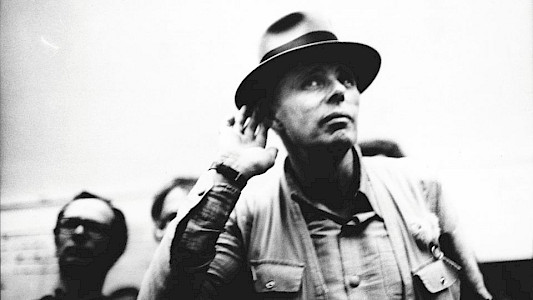
Joseph Beuys, the man with the hat, the felt and the ‘fat corner’. Thirty years after his death he feels like a visionary who was, and still is, ahead of his time. He was the first German artist to be given a solo exhibition at the Guggenheim Museum in New York whilst at home in Germany his work was often still derided as the ‘most expensive trash of all time’. Once asked if he was indifferent to such comments he retorted: ‘Yes. I want to expand people’s perceptions.’Andres Veiel lets the artist
BEUYS
You can contribute updates for the current person (Damian Scholl).
Please enable JavaScript to access our website.