2023, 118 minby Regina Schilling
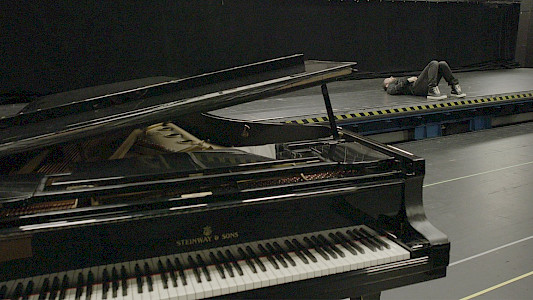
At 34, Igor Levit is an exceptional artist in the world of classical music. A young rebel, who - at the piano - transforms into a mature musician. At age nine he arrived in Germany, a Jewish immigrant of Russian descent. Having an opinion and publicly expressing it, is not a choice, it is a survival strategy. The film follows the artist over two years as Levit explores his “life after Beethoven“, as he searches for his next challenge, his identity as an artist. We observe him recording new piece
Igor Levit – No Fear
2017, 91 minby Judith Keil, Antje Kruska
Der Film begleitet den Imam bei seiner täglichen Arbeit, in der er für Familienprobleme Rat geben soll und zugleich Stellung beziehen zu politischen Fragen der Öffentlichkeit. Dabei führt er ein offenes Haus, indem er immer wieder zu Diskussionen einlädt. Während er in seiner muslimischen Gemeinde oft gegen eine zu strenge Auslegung der Religion ankämpft, steht er in der deutschen Öffentlichkeit unter Verdacht, zu konservativ, wenn nicht sogar radikal zu sein."Dabei entwickelt der Film eine stim
INSCHALLAH
Germany, Switzerland 2015, 99 minby Miriam Jakobs, Gerhard Schick
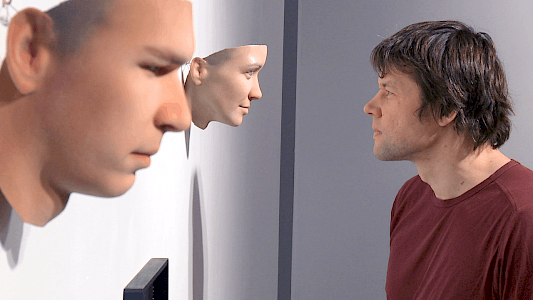
A sick doctor, a highly sensitive code and the solace of art: While our protagonist is going through the unemotional diagnostic algorithm of mainstream medicine in order to find the right medicine for his depression, he also seeks assurance and solace in the artistic perspective; hoping that at some point in time he will be able to make peace with his dark gene, which all but destroyed his life.The search for the origin of his depression confronts the protagonist with existential questions and
The Dark Gene
Germany 2010, 95 minby Eva Wolf
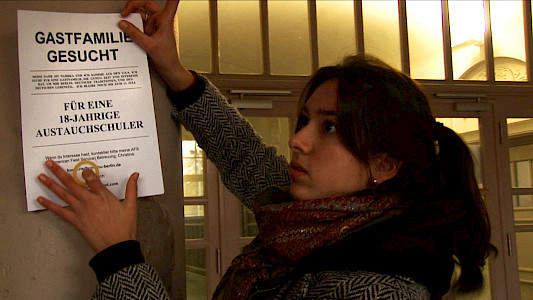
Different countries, different customs. Every year, young people from all over the world go to a foreign country to familiarise themselves with an alien culture. What they experience there is sometimes funny and sometimes tragic. But it is always about finding one’s own borders and about finding a place for oneself among foreign people and their patterns of behaviour: what should be understood without having to say it, when people live together? What can be seen as normal behaviour, and what bor
12 Month Germany
You can contribute updates for the current person (Christian Lutz).
Bitte aktivieren Sie Javascript, um auf unsere Website zugreifen zu können.