Germany 2023, 87 minby Pia Lenz
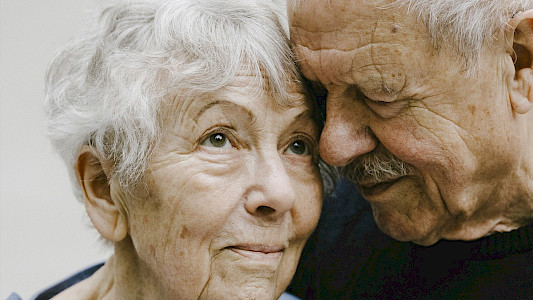
Eva is 83 and Dieter 86. They danced together for the first time in the winter of 1952. They wrote love letters to each other and imagined a life together. They got married, built a house and had three children. They lost one daughter. At the beginning of filming, Eva and Dieter have been a couple for 66 years. What remains of that and what still counts now? This is what the feature documentary film FOR EVER by award winning director and cinematographer Pia Lenz is about.
FOR EVER
Germany 2021, 90 minby Hauke Wendler
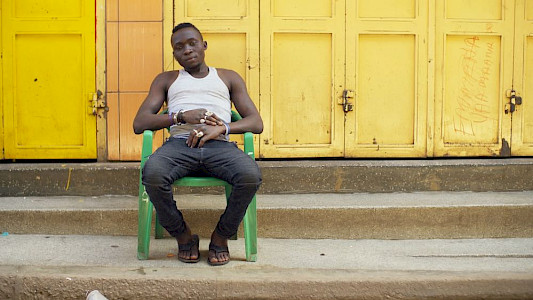
The monobloc plastic chair is the best-selling piece of furniture that ever existed, known on every continent, across all national borders and social boundaries. Estimates claim that there are a billion units of this chair worldwide. At the very least. A feature-length documentary, MONOBLOC tells the story of how this unsightly plastic chair took the world by storm. How this chair destroys livelihoods and brings affluence. How it threatens our environment and ‘good taste’. Yet also about how the
MONOBLOC
Germany 2020, 94 minby Carsten Rau
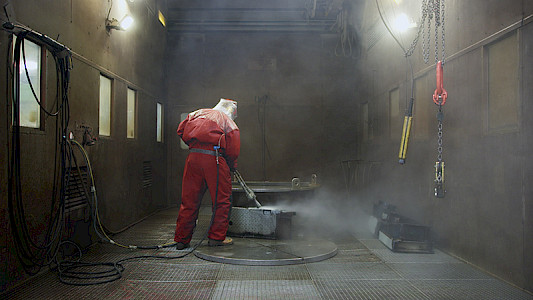
Germany is turning away from nuclear power in 2022. Yet the country's nuclear nightmare goes on: with umpteen thousands of tonnes of radioactive waste and the hazardous dismantling of power plants which will take decades. NUCLEAR FOREVER by Carsten Rau takes an equally profound and alarming look at mankind's dream of atomic energy, in grand scenes that have yet to be portrayed like this, and in six interwoven episodes.In the end, the viewer can and must form their own impression of the mania cal
Nuclear Forever
Germany 2016, 85 minby Hauke Wendler, Carsten Rau
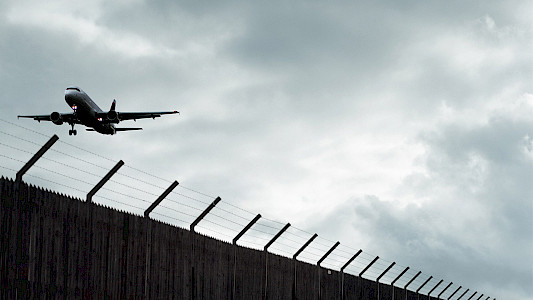
They come in the night, tear families from their sleep, give them just enough time to pack and put them on a plane: this is the role of the so-called 'transportation commandos’ comprising police officers and immigration officials. In 2015, over 22,000 failed asylum seekers were deported from Germany.The documentary DEPORTATION CLASS presents a comprehensive view of this state enforcement measure for the first time: from detailed planning in the office to night-time operations at asylum seeker ac
Deportation Class
Germany 2016, 95 minby Pia Lenz
Over the course of a year Pia Lenz followed the Syrian girl Ghofran, aged 11, and the Romanies-boy Djaner, aged 7, who came together with their families to Germany as refugees, in their search to find a place for themselves. The perspective of these children offers a clear and very moving view of this new cohabitation in Germany one year after the arrival of over a million refugees. The film asks the question: How can we give a homeland to those who most urgently need a future?
I'm okay
Germany 2011, 90 minby Hauke Wendler, Carsten Rau
Wadim K. grew up in Germany. But he never received a German passport, because his parents were refugees. In 2005 he found himself being deported to Latvia – a country he could hardly remember. During his final visit to Hamburg he threw himself in front of a train. Through photos and very personal family videos as well as interviews with Wadim’s parents, friends and other contemporary witnesses, the 90-minute film WADIM pieces together the mosaic of a short life, representative of the lives led
WADIM
You can contribute updates for the current person (Carsten Rau).
Bitte aktivieren Sie Javascript, um auf unsere Website zugreifen zu können.