Germany 2023, 67 minby Annika Mayer
A family in the 60s on Super8. Stories of a violent husband fifty years later. A film about the invisibility of domestic violence.Director Annika Mayer searches for clues, and interviews her grandmother ROSE about old family Super8 recordings from the 50s and 60s. They show a family in the time of the 'German Economic Miracle': a fancy house with a garden in a small German town, a vacation at the North Sea, a Sunday trip to the National Garden Show. These are images that have inscribed themselve
Home Sweet Home
2021, 123 minby Ole Jacobs, Arne Büttner
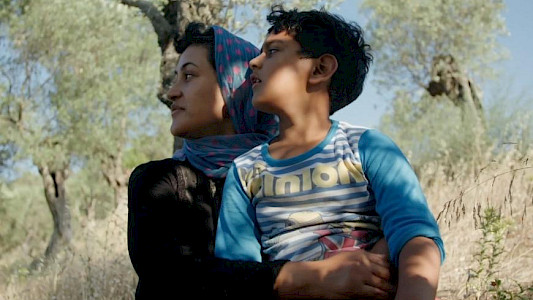
About a year ago, Moria, Europe's largest refugee camp, became home to 38 year old Nasim from Afghanistan. Together with her husband Shamsullah, their two sons and her extended family, Nasim tries to manage the rough camp life while starting to question her unhappy marriage. As her family pushes her to start a new life independent from her husband, Nasim struggles because of her fears and insecurities. She needs to pass her asylum interview together with Shamsullah whose past she barely knows. W
NASIM
Germany, Brasil 2021, 93 minby Jakob Krese
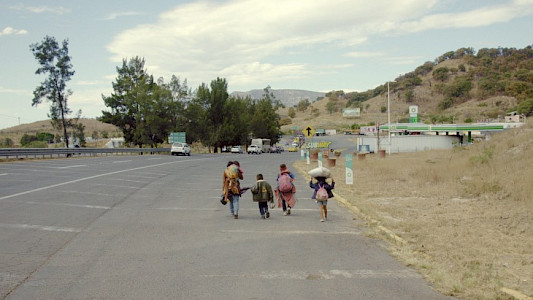
In 2018, thousands of people from Latin America set out together, fleeing from a lack of perspective, poverty and violence to the U.S. Among them Lilian, a single mother from Guatemala, who found the courage to leave her violent husband. The caravan was her only chance to achieve this act of strength. Nevertheless: 4,000 kilometres with four small children, walking, hitchhiking and travelling north on “La Bestia”, the freight train, are still extremely perilous.The film contrasts the media cover
Lo que queda en el camino
You can contribute updates for the current person (Arne Büttner).
Bitte aktivieren Sie Javascript, um auf unsere Website zugreifen zu können.