Germany 2019, 93 minby Halina Dyrschka
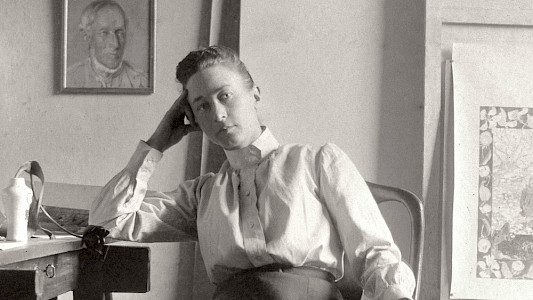
How can an artist discover abstraction by the beginning of the 20th century and nobody is noticing? A woman, misjudged and concealed, rocks the art world with her mind-blowing oeuvre. Hilma af Klint was a pioneer creating her first abstract painting in 1906, four years before Vassily Kandinsky. But why was she ignored? Why are her paintings not available on the market? This first film on her is about her life and work, the role of women in art history and the discovery of an art scandal. Her que
Beyond the Visible – Hilma af Klint
Germany 2014, 79 minby Claudia Richarz, Ulrike Zimmermann
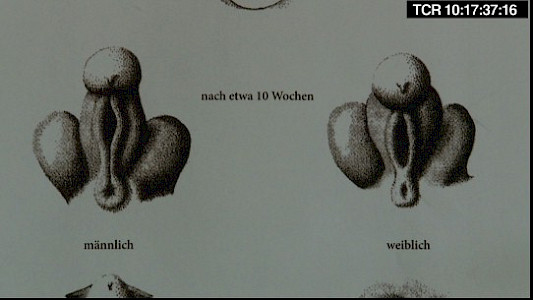
We live in hypersexualised times. The press, adverts and TV are constantly putting naked women and their genitalia on display. But many women are still deeply prudish when it comes to the relationship with their own body. In public we see airbrushed, de-individualised anatomies which conform to the standards of attractiveness used by the porn industry. The ideal image of the smooth, perfectly shaped vulva with symmetrical labia has little to do with the actual shape of most female genitalia. The
VULVA 3.0
You can contribute updates for the current person (Antje Lass).
Please enable JavaScript to access our website.