Germany 2023, 25 minby Ann Carolin Renninger
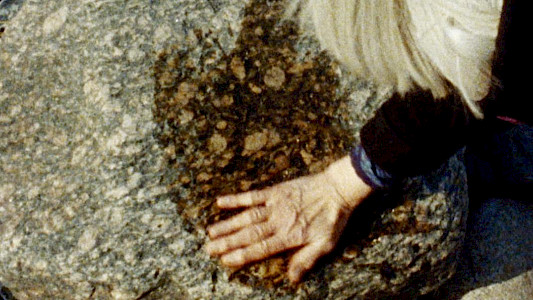
It is a stroke of luck when a film manages to simply observe the flow of life and almost casually show us the miracles found in life’s corners. Ann Carolin Renninger approaches people and things with great serenity and a palpable joy of searching for and finding images.Rovin lives on a remote farm on the Baltic Sea and explores his surroundings with insatiable curiosity. He is interested in the universe, planets, unknown creatures – and in tardigrades, those tiny multicellular organisms that look like dust bags on legs and are real survival artists. Quite unlike humans, as Rovin points out, because the latter are sure to die out one day. He sees this as a logical fact, not a threat. And when you open yourself up to the grainy, earthy images and the calm narrative, you eventually stop wondering, too, why that should be a problem. After all, as long as the wind blows through the trees and scatters the tardigrades, everything is in good order. In addition to the captivatingly alert boy, Renninger meets Marie, who knows everything about rocks, and Christopher, who decorates a place with these rocks. They are all on a quest and every day find a piece of what one cannot hold onto: the present. [66DOK Leipzig, Luc-Carolin Ziemann]
The Wind Is Taking Them
2017, 83 minby Ann Carolin Renninger, René Frölke
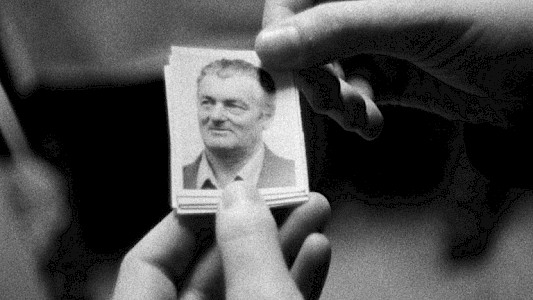
Willi is nearly 90 years old and lives alone on a farm in northern Germany. He likes to talk to his cat, he feeds his chickens and makes his rounds with the aid of a squeaky walker. The garden is overgrown. His house is full of all the things that have accumulated there over the course of a long life, relics of bygone times. Occasionally someone comes to visit, or a moped passes by, but not much happens otherwise. As the seasons change, the film paints a portrait of the everyday life of this resolute, slightly dishevelled old man. It’s also a visual essay on the cycle of life, as the camera observes nature, captures fruit and flowers in bloom in all their glory. Textures equally come to the fore: the cat’s fur, the pattern on the coffee service, the structure of a marzipan cake; at times the camera photographs apples or plastic garden chairs as if they were still lifes. The images transcend mere depiction – they contain a feeling of evanescence, which is enhanced by the fragility of the Super-8 and 16-mm material used to film them. Even the black screens that appear when the reels are changed reveal the passage of time.
From a Year of Non-Events
Bitte aktivieren Sie Javascript, um auf unsere Website zugreifen zu können.