Germany 2022, 87 minby Volker Schlöndorff
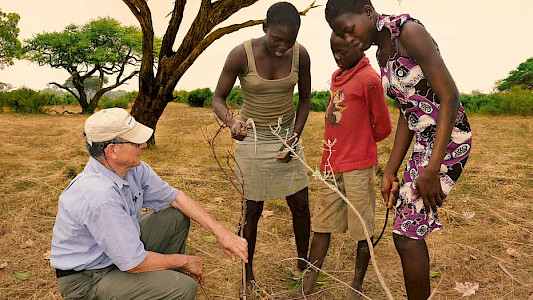
THE FOREST MAKER is the portrait of a remarkable man whose life's work was honored with the so- called alternative Nobel, the Right Livelihood Award in 2018. Tony Rinaudo has found a way to grow trees in the most barren areas by activating the tree stumps and roots still alive as an “underground forest” for decades and thereby secures the livelihood of thousands of farmers in Africa. His method “Farmer Managed Natural Regeneration” (FMNR) restores not only soil but dignity and hope. The Chief of
The Forest Maker
France, Germany 2020, 129 minby Ulrike Ottinger
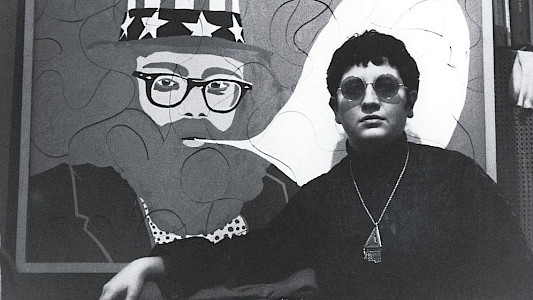
In the tradition of the flanérie she seeks places that were significant for her personally as well as for the 1960s. In Fritz Picard's Librairie Calligrammes, she meets German and French avant-gardists from literature and art. The Cinémathèque Française becomes a special attraction for her. Here she saw films by the Nouvelle Vague, Independents from the USA, from Asian countries, the Soviet republics, from Africa and the Magreb and also film history. The love for cinema had flared up.Paris was n
Paris Calligrammes
Germany 2008, 100 minby Felix Moeller
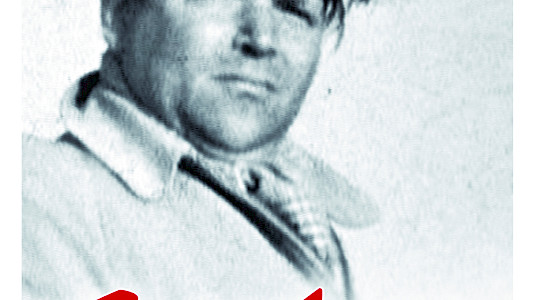
Veit Harlan was Nazi Germany’s most successful film director. A hundred million spectators saw his films all over Europe, including the perfidious anti-Semitic Propaganda film “Jew Süss”. The documentary presents the first biography of Veit Harlan and shows how his family - including the youngest generation of Harlans - struggles until today with the dark myth of artistic immorality. with:Thomas Harlan, Maria Körber, Caspar Harlan, Kristian Harlan, Christiane Kubrick, Jan Harlan, Jessica Jacob
HARLAN: In the Shadow of The Jew Süß
You can contribute updates for the current person (Anette Fleming).
Bitte aktivieren Sie Javascript, um auf unsere Website zugreifen zu können.