Germany 2024, 77 minby Daria Kuschev
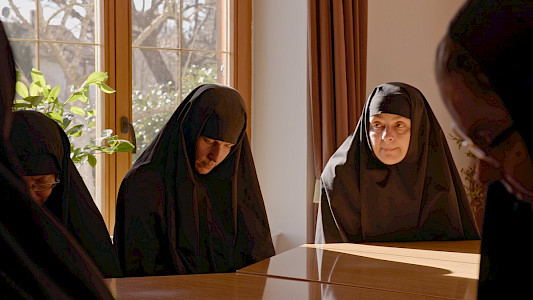
Germany's only Russian Orthodox women's monastery is located in a small town near Munich. Under the lead of Abbess Maria, 13 sisters of international origin live there, following a strict hierarchical order. As servants of God, the nuns increasingly disappear from the normal world, almost as if they had already 'died'. Symbolically, they always wear black clothes.Nevertheless, the sisters also have to attend to worldly matters, such as everyday work in and around the building, receiving pilgrims
As in Heaven so on Earth
Germany 2023, 72 minby Sylvain Cruiziat
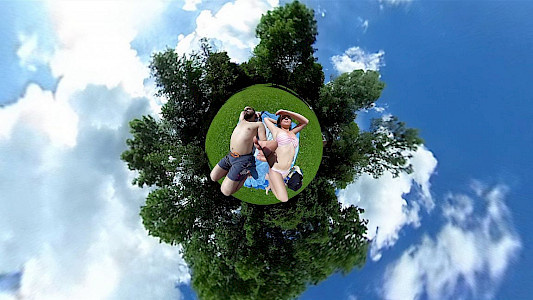
The Gen Z friends Maxime, Julian and Vilas live in Munich in late adolescent carefreeness – their everyday lives consist of studying, partying and Playstation. Slowly, the three begin to move in different directions, but they all face a common challenge: the path to adulthood. Their special intimacy with each other seems unaffected by stereotypes of becoming men. The three of them naturally cuddle up in the daybed and introduce us to a new concept of male friendship. Maxime will soon leave the g
BOYZ
Uzbekistan, Germany 2022, 14 minby Daniel Asadi Faezi, Mila Zhluktenko
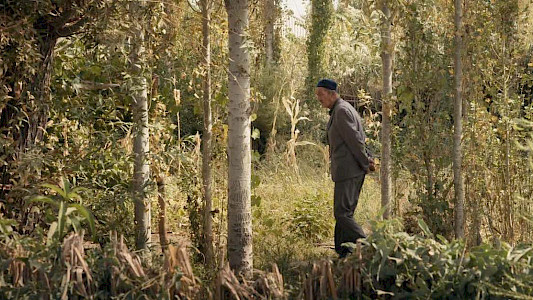
A desert landscape, as if from another planet. A few lonely, rusty shipwrecks. Low desert scrub grows around them to hold the sand together during the merciless storms. Aralkum, the Aral Desert, is the bare seabed, the last thing left of the Aral Sea.By weaving together different cinematic textures, the short film ARALKUM re-imagines the dried-up Aral Sea, allowing an old fisherman to set sail one last time.'The shortfilm prize goes to a film that opens a door on a landscape swept by human exces
ARALKUM
Germany 2021, 81 minby Erec Brehmer
For filmmaker Erec Brehmer, a world collapses when his longtime partner Angelina Zeidler dies in a common car accident. With the help of amateur videos, voice messages, diary entries and music they listened to together, he sets out to find places and situations in which he can meet his deceased girlfriend again. The result is not only a powerful, authentic document of coming to terms with grief, but also a sensual invitation to life.A story about identity after the loss of a loved one. (36 DOK.f
who we will have been
Germany 2020, 94 minby Lea Becker
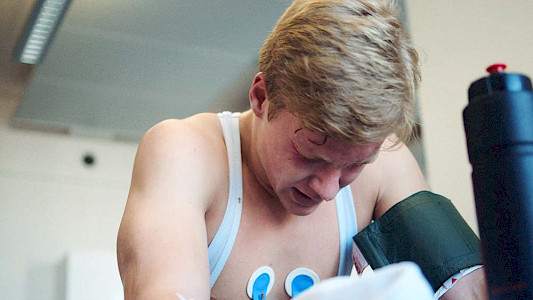
Winning medals for Germany – that's the dream of Celia, Fillip and Umito. The teenagers are competitive athletes living at a boarding home in a small mountain village in Germany. Far away from their friends and families they train daily to make it to the very top of the podium.As members of the National Snowboardcross team they fight through long and hard winter seasons. Races, exams and injuries – they master it all, while going through puberty. How many sacrifices does it take to build a succe
A Perfect Run
Germany 2020, 73 minby Michael Kranz
Faced with a documentary film that included an interview with a young girl forced into prostitution, Michael Kranz asked himself the apparently banal question of “what can be done?” He travelled to Bangladesh and began to search for the girl. A film that is both self-critical and critical of society about the desire to at least do something and not to simply and passively give in to the injustices in this world.
WAS TUN
2019, 8 minby Daniel Asadi Faezi
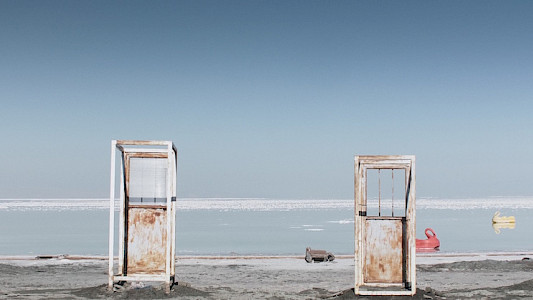
The dried tears of Lake Urmia in northern Iran are for sale – salt in plastic bags at the roadside. Once the biggest lake in the Middle East, only a fraction of it is left today. This is its elegy, presenting both its former splendour and its state today. Wavering between factuality and melancholy, the film finally opts for a pessimistic view of society. The dying lake becomes a symbol. (DOK Leipzig, Carolin Weidner)Jury Statement Innsbruck Nature FF:“A love poem, a love song to a place that dis
where we used to swim
You can contribute updates for the current person (Andrew Mottl).
Bitte aktivieren Sie Javascript, um auf unsere Website zugreifen zu können.