Germany 2010, 59 minby Guido Nageldinger PhD (Nageldinger Film)
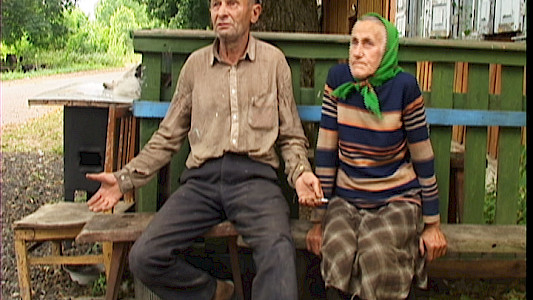
This documentary film sketches the socioeconomic conditions of the people in some villages located in the Gomel-Vetka region in Belarus. This area had been contaminated during the accident of the nuclear power plant in Chernobyl, located in the Ukraine. Some people believe that an artificial rainfall had contaminated the Gomel-Vetka region, which is located 150 km northwest of Chernobyl. Russian government officials had conducted this in order to prevent a contamination of Moscow, wherein more than 10 million people live. Today, the Gomel-Vetka region is still highly radioactively contaminated. Some villages are abandoned. However, other villages maintain a proper social live and conduct agriculture. Even though Russian officials knew the level of contamination, since they conducted measurements after the rainfall took place, measures of evacuation had been introduced only 5 years after the Chernobyl accident. The film starts with the school in Sivinka. „Sivinka, we will return“, which is also the title of this film, had been painted by the school children on the wall at the time, evacuation took place. This school in Sivinka had been evacuated only 5 years after the Chernobyl accident. Today, the school nearly disappeared since the building material is recycled for new projects. People in the surrounding area don’t have sufficient funds in order to pay for new construction material. The film continues with the introduction of an older couple, which lives together with few left over neighbors in a village called Bartholomejevka. They don’t understand why their other neighbors left their community. Beside a dose rate, which is 10-20 times higher than the ordinary dose rate, the couple manages their own little garden with potatoes, beetroot and cabbage. Sheika, a village nearby also shows a high dose rate. Even though the sign “Sheika” still exists, Belarus officials insist that this village doesn’t exist on the map. Here, people live without electricity, telephone and water. Some villages manage to live with the radioactive contamination level present and the normal social live continues. The film shows the fest „Desyatukha“ in a newly created Russian Orthodox Church in Stolbun as well as the fest „Kupalya“ in the village of Svetilovichi. The film utilizes an observational style without voice-over and illustrates with a variety of conversations and examples the live of the population in the radioactively contaminated surrounding area of Vetka.
Sivinka, we will return
Germany 2010, 78 minby Guido Nageldinger PhD (Nageldinger Film)
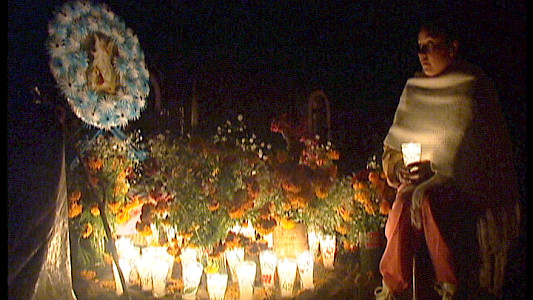
For some people death represents the ultimate end of live and for others the transition into a new form of existence. The personal perception of death might be religiously motivated, however, its cultural interpretation is an integral part of today’s Mexican society. The „day of the death“ is in Europe celebrated as day in memory for the deceased once. In contemporary Mexico, the „Dias de la Muerte“, which are celebrated on the first and second of November each year, are not just a memorial day, as it is in Europe. A lot of families actually expect that the souls of the deceased once return to their graveyard. Therefore, most families create a little party for them. In Mexico a variety of customs, traditions and beliefs mix with the concepts of the dominant Catholic Church. The documentary film entitled „Night of the returning souls“ focuses on the „Dias del Muerte“ and its cultural interpretations. The film illustrates the perception of the death by a variety of examples such as the mummies of Guanachuato, the famous Catrinas and the „holly lady death“ – La Santa Muerte. La Santa Muerte has frequently been quoted as saint of the drug lords. However, this populist perception is a misrepresentation of the syncretism present in Mexico and a variety of Central American countries. It is a fact that the Santa Muerte had been exhibited peacefully in a catholic church near the lake of Patzquaro until the figure has been looked away. Skeleton figures illustrated in a variety of newspapers are no exemplification of the Santa Muerte at all. They are interpretations of the Catrina, which is a female skeleton folk art figure, which was initially utilized by José Guadalupe Posada to joke about the rich and posh Mexican society. Obviously, plenty of Pre-Columbian elements and believes are present still today and expressed in forms such as the Santa Muerte, which cannot be easily fitted into the catholic framework. However, but which Catholic Church likes to exhibit a Saint, which smokes Cuban Cigars and drinks whisky? This educational film is ideal for anybody whishing to explore mexican culture. Additionaly, it is one of the few films, which talks about the death in an artistic and entertaining manner.
NIGHT OF RETURNING SOULS
Bitte aktivieren Sie Javascript, um auf unsere Website zugreifen zu können.