Germany 2015, 95 minby Andreas Voigt
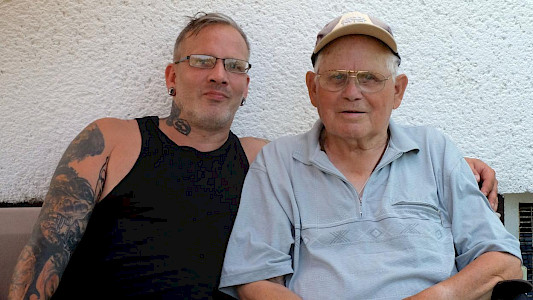
In TIME WILL TELL, we return to some of the protagonists from my earlier films of the ‘Leipzig Series’. During the political upheaval in late-1989/early-1990, Isabel, Jenny and Sven were teenagers of fourteen and fifteen and still attending school. The dramatic social changes following the collapse of East Germany hit them head on during their most formative years. The protagonists from my films ‘Last Year Titanic’ (1990), ‘Faith, Love, Hope’ (1994), and ‘The Big Wide World’ (1997) are now in their late-30s. They’ve been living in the Federal Republic of Germany longer than they lived in East Germany. The paths their lives have taken could hardly be much different.Our new film revolves around these three protagonists and their lives today, twenty-five years after the first film: ISABEL the former punk is now a liquidator. JENNY is on a quest to unravel her family’s ill-fated history. SVEN is struggling through life unemployed.
TIME WILL TELL
Germany 2020, 97 minby Andreas Voigt
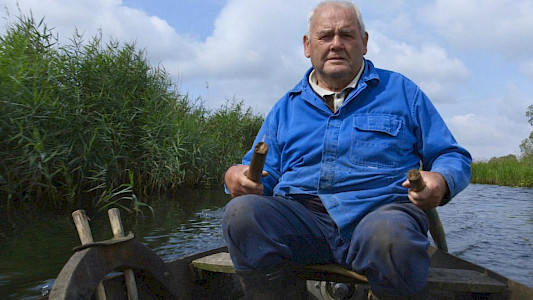
The river Oder: A historical and cultural landscape churned again and again by the tide of events of the past century. A tale told in concentric circles about a region which was and still is the scene of the beginning, end and open middle of voluntary and involuntary migrations. Virulent issues of daily life and politics that, asked with confident casualness, provide a robust account of the present.Movements and stories in the border region between Poland and Germany – Andreas Voigt’s new film takes up the themes of his 1992 work “Borderland – A Journey”. The charged term “homeland” stirs up (trouble in) the minds and hearts of the people: What it once was and what has become of it! Sure, that’s not the top priority in their daily agenda. But how people appropriate this term and how that in turn structures their attitudes also determines how they figure out the taste of life in the here and now of Europe. The search for closeness is confronted with the insistence on distance. Communication about belonging becomes flimsy because the body language says something different than the spoken word. As a film that’s not about administering a politically correct separation diet, “Borderland” provokes experiences and enables encounters. (DOK Leipzig, Ralph Eue)
Borderland
2004, 88 minby Andreas Voigt
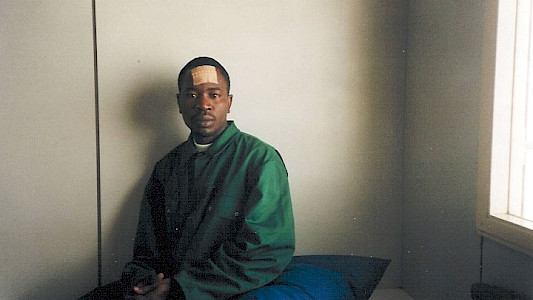
Millions of people live illegal in Europe under difficult circumstances. They live amongst us. We meet them day by day, but we do not know them, we don´t know anything about them.“INVISIBLE” tells the touching story of five refugees. It tells about what happens to them on their way.Zakari is a former Officer from Algeria. He deserted from the army and lives for nine years without papers in Germany. Malika a Ceczenian woman flew with here family from Russia to Poland. Oumar came from Guinea Bisseau and ended up in a refugee camp in Ceuta. Prince is waiting in a Dutch prison for his deportation back to Nigeria. Edita from Ecuador lives in a transsexual community and seems to be arrived in Paris. INVISIBLE tells about their hopes and dreams and fears.
INVISIBLE illegal in Europa
Klaus Schmutzer
Bitte aktivieren Sie Javascript, um auf unsere Website zugreifen zu können.